
Reviewed · BACKCOUNTRY AND SKI TOURING
Half-Day Guided Backcountry Ski Touring Experience near Incline Village
Lake Tahoe’s backcountry is the real draw here. Instead of staying on a busy ski hill, you spend about three hours moving through open snow near Incline Village, learning how to travel under your own power. Guide Loren works with beginners, sets the pace to match your group, and provides equipment.
I like the private format and the choice between cross-country backcountry skis and classic downhill touring gear. I also like that the outing is flexible, with a meeting time that fits your schedule, instruction included, and light snacks along the way.
The catch is the Sierra weather. You may get bright sun, wind, ice, crust, corn snow, deep powder, or a full storm. This is not a gentle sightseeing ride. You need moderate fitness, suitable layers, water, and a willingness to work.
Key points to know before you book
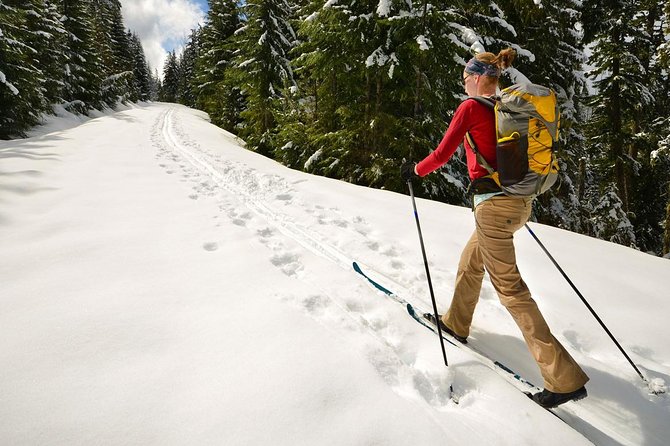
- Guide Loren teaches beginners patiently: You do not need extensive backcountry experience, but you do need to be ready to learn and exercise.
- Two ski styles are available: Choose wide, waxless metal-edged cross-country skis or alpine touring and telemark equipment.
- The outing is private: Only your own group takes part, which makes it easier to ask questions and adjust the pace.
- The tour starts and ends in Incline Village: The meeting point is 692 Bridger Ct, Incline Village, Nevada.
- Expect a real workout: The uphill travel warms you quickly, even on windy or sunny days.
- Conditions control the experience: Snow can range from ice and crust to corn and powder, and poor weather can lead to a new date or full refund.
What this Lake Tahoe ski tour is really about
This half-day outing gives you a taste of backcountry ski travel without asking you to commit to a full day in the mountains. The listed duration is about three hours, which is long enough to learn the basic rhythm of touring, get a solid workout, and enjoy broad views without taking over your entire Tahoe schedule.
The aim is not simply to point downhill and race. You travel across snow under your own power, climb gradually, and learn how the equipment works. That makes this a good introduction to the way skiers reach quieter terrain beyond resort boundaries.
I would think of it as an active mountain lesson with scenery, not a sightseeing trip that happens to include skis. You will likely spend much of the time moving, adjusting your technique, and responding to the snow beneath you.
More Backcountry and Ski Touring in the USA:
- Guided Backcountry Skiing – Telluride
★ 5.0 · 2 reviews - Guided Backcountry Ski Tour near Breckenridge
★ 5.0 · 2 reviews - Backcountry skiing adventure
★ 5.0 · 34 reviews
Meeting Loren in Incline Village
You meet at 692 Bridger Ct in Incline Village, Nevada. The activity finishes at the same location, so you do not need to arrange a separate pickup point or figure out how to return to your car after the tour.
The meeting time is chosen to fit your schedule, subject to availability. That flexibility helps if you are building a Tahoe trip around weather, lodging, or another outdoor activity. Confirmation is sent within 48 hours of booking when the requested time is available.
Because this is a private activity, your group does not have to keep up with strangers. That matters on skis. One person may be learning the basics while another is already comfortable on snow, and a private guide can respond to that difference more easily than a large class can.
Loren is the guide named in the available experience details. His role is part instructor, part route leader, and part pace setter. If your group needs a slower start or a short pause, the private setup makes that conversation simple.
Choosing between the two ski setups
You have two broad equipment choices. The first is an XC/BC trip using wide, waxless, metal-edged cross-country skis. These are built for traveling across varied snow rather than only making downhill turns.
This option makes sense if you are new to backcountry skiing or curious about cross-country technique. The waxless base avoids the need for grip wax, while the metal edges offer more control than ordinary narrow track skis. You should still expect a learning curve, especially if you have only skied on groomed resort runs.
The second choice is classic downhill backcountry skiing with alpine touring or telemark equipment. This setup is closer to traditional downhill skiing, but it still involves climbing and moving across snow before the descent.
Ask yourself what you want from the outing. If the goal is to learn a new way of traveling on skis, the XC/BC option may be the better fit. If you already prefer downhill turns and want a backcountry version of that style, alpine touring or telemark equipment may feel more natural.
The supplied gear is a useful advantage for visitors who do not own touring equipment. Still, ask about equipment sizing and what clothing or personal items you must bring when you book. The available information confirms that equipment is provided, but it does not spell out every item included.
A likely three-hour rhythm
The exact route is not specified, so I would not expect a fixed sequence of named viewpoints or stops. The outing begins with an introduction to the equipment and basic instruction, followed by travel into the backcountry near Incline Village.
At the start, give yourself time to get comfortable with the skis. Cross-country backcountry skis behave differently from standard resort skis, and touring equipment has its own feel. Loren’s instruction is especially useful here because small changes in balance and stride can make uphill travel much easier.
Once you begin moving, expect the pace to be steady rather than rushed. The guide can adjust the outing to your ability and comfort. That is important for beginners, since an early push that leaves you exhausted can spoil the rest of the trip.
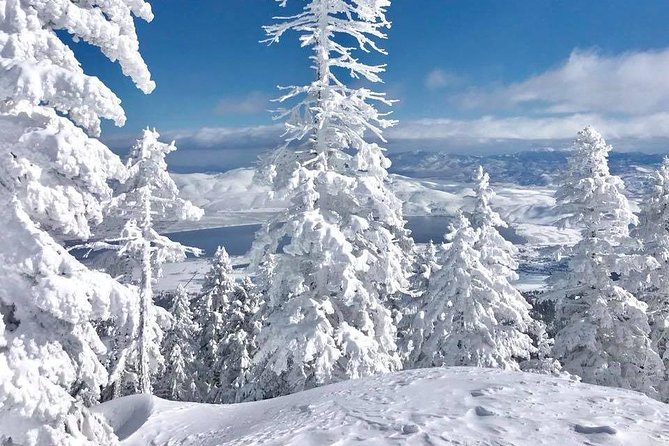
The middle of the experience is where the setting earns its keep. As you move away from the meeting point, you have a chance to see the Nevada side of Lake Tahoe from quieter snow. The available details describe breathtaking surrounding views, but do not promise a particular summit, lake overlook, or named route. Keep your expectations broad and enjoy the changing scenery rather than waiting for one exact photo stop.
Light snacks are included. That is useful, but I would not treat the snack as a full meal. Bring additional food if you tend to get hungry during exercise, especially since one three-hour outing can feel longer when the snow is soft or the route requires extra effort.
The final part brings you back to the original meeting point. Ending where you started keeps the logistics tidy and avoids the need for a shuttle or second vehicle.
More Half-Day Tours in the USA:
- Half-Day Backcountry Skiing Tour in Levi with Photography Guide
★ 5.0 · 7 reviews - Interlaken: All-inclusive Half-day Ski Taster for beginners
★ 5.0 · 5 reviews - Ultra-Inclusive Half-day Ski Taster for Beginners
★ 5.0 · 4 reviews
Why the private format matters on skis
A private tour is not just a marketing detail here. It affects comfort, teaching, and safety.
If you are new to cross-country skiing, you may need more time to learn how to glide, climb, stop, and recover from an awkward step. In a shared group, the guide has to balance several skill levels. With only your own party, Loren can spend more time on the points that give you trouble.
The pace also belongs to your group. That does not mean the outing is effortless. You still need to maintain a moderate level of fitness, and backcountry travel can be demanding. It does mean you are less likely to feel pressured by a faster group.
A private setting is also helpful for couples or families who want to try something unfamiliar together. One person can be cautious without holding up strangers, and questions are easier to ask as they arise.
The workout is part of the deal
The most important practical point is that this is an active outing. The experience description calls for moderate cardiovascular fitness, and that is a fair expectation.
You will warm up quickly once you begin climbing and gliding. One useful clothing tip is to start slightly cool rather than heavily bundled. The uphill work can create heat even when the air is cold, so layers are easier to manage than one thick coat.
Bring water. You may sweat more than expected, particularly on a sunny day. Replaceable layers, gloves, a hat, and clothing suited to changing conditions are sensible choices, though the exact required clothing list is not provided.
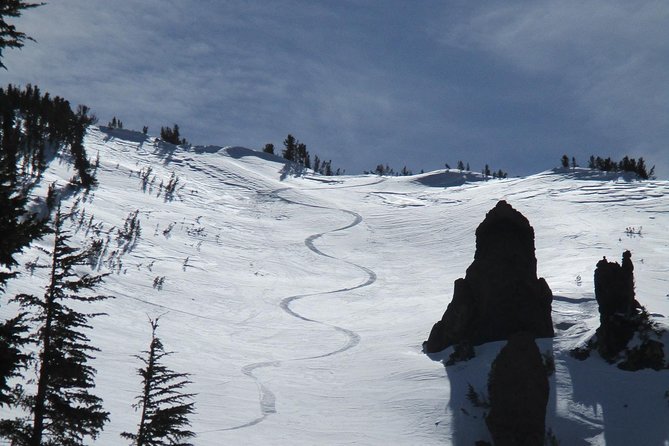
The snow can make the workout harder. Firm ice and crust require careful control. Soft powder takes more effort with every step. Corn snow may be pleasant under the right conditions, but it can also vary during the day. The guide will respond to what is actually underfoot, but you should arrive ready for more than one kind of snow.
This is also a mental workout. Backcountry travel can feel less predictable than skiing on a groomed run. You need to stay aware, accept a slower pace, and be comfortable adjusting your plans to the conditions.
Weather can change the whole character of the tour
The Sierra can shift from warm sunshine to strong wind or a blizzard. That is not a minor footnote. It determines what you see, how hard you work, and how enjoyable the outing feels.
A sunny, windy day may still be comfortable because you are moving. One previous outing described staying warm despite the wind because of the steady activity. On another day, falling snow could make the outing feel more adventurous while reducing visibility and making the snow softer.
The provider requires good weather for the experience. If poor conditions force a cancellation, you can choose a different date or receive a full refund. You can also cancel for a full refund if you do so at least 24 hours before the start time. Cancellations made later are not refunded, and changes inside that 24-hour window are not accepted.
I would avoid booking this as the one activity that must happen on a tightly timed vacation day. Leave room for weather changes. A flexible schedule makes it easier to take the safer and more enjoyable option.
Who will get the most from this experience
This outing suits you if you enjoy being outdoors, want to try a new snow sport, and can handle moderate exercise. Beginners are welcome, particularly those who appreciate patient instruction instead of being left to figure out unfamiliar equipment alone.
It is also a good match for an active couple or small group that wants a private experience. You can set the pace with the guide and spend the time learning together.
You may want to reconsider if you are looking for a passive activity, a short photo stop, or a guaranteed powder run. The route and snow are condition-dependent, and the experience asks you to work for the views.
The tour can also suit someone with limited backcountry experience who already has a basic comfort level on skis. The key is not expert technique. It is willingness to learn, moderate fitness, and a sensible attitude toward changing mountain conditions.
Service animals are allowed. The activity is private, which can make it easier to discuss your group’s needs before setting out.
Is the experience good value?
No price is provided here, so I cannot judge the exact dollar value or compare it fairly with other Tahoe ski lessons. I can assess what you receive for the fee: a private guide, instruction, equipment, a flexible meeting time, a roughly three-hour outing, and light snacks.
That package can be worthwhile for visitors who would otherwise need to rent touring gear and arrange their own introduction to backcountry travel. The private instruction is the biggest value point. A beginner can spend a great deal of time and money learning the wrong habits without guidance.
The value is less clear if you already own touring equipment, know the local routes, and only want a quick downhill session. In that case, you may be paying mainly for the guide and private access to a planned experience.
I would also place a value on the small-group setting. You are not paying for a large class with a fixed pace. You are paying for a more personal introduction to a demanding activity, with the chance to adjust the experience to your group.
Practical preparation for the morning or afternoon
Wear layers rather than one bulky outfit. Start cool, since the workout builds heat quickly, and make sure your outer clothing can handle sun, wind, wet snow, or storm conditions.
Bring your own water and extra food. Light snacks are included, but you may want more fuel for a physical three-hour outing.
Give the guide an honest picture of your skiing background and fitness. If you have never tried cross-country skiing, say so at the start. If you are comfortable downhill but new to touring, that difference matters too.
Plan to meet at 692 Bridger Ct in Incline Village and return to that same point. Since the exact route is not specified, focus on being ready for conditions rather than packing for one promised viewpoint.
Should you book this Incline Village backcountry tour?
Book it if you want an active, private introduction to Tahoe backcountry skiing and like the idea of learning from Loren at your own pace. The equipment choice, flexible scheduling, instruction, and short format make it approachable for beginners who are reasonably fit.
Skip it if you want guaranteed sunshine, fixed powder conditions, or a relaxed ride with little exertion. The snow may be icy, crusty, soft, or deep, and the weather can turn quickly.
For the right person, this is a useful first step into ski touring: demanding enough to feel like an adventure, but structured enough to keep a beginner from being left on their own.
FAQ
Where does the backcountry ski tour begin?
The tour begins at 692 Bridger Ct, Incline Village, Nevada 89451, USA.
Where does the activity end?
The experience ends back at the same meeting point in Incline Village.
How long does the experience last?
The tour lasts approximately three hours.
Is the tour private?
Yes. Only your own group participates in the activity.
Do I need extensive backcountry skiing experience?
No. The experience is suitable for people with limited backcountry skiing experience. You do need a moderate level of cardiovascular fitness and a willingness to explore.
What types of skis can I use?
You can choose an XC/BC trip with wide, waxless, metal-edged cross-country skis, or classic downhill backcountry skiing with alpine touring or telemark equipment.
What happens if the weather is poor?
The activity requires good weather. If it is canceled because of poor conditions, you can select a different date or receive a full refund.
Just added around the USA
- Vail and Beaver Creek Premium Ski Rental Including Delivery★ 5.0 · 10 reviews
- Vail and Beaver Creek Performance Snowboard Rental Including Delivery★ 5.0 · 2 reviews
- Guided Backcountry Skiing – Telluride★ 5.0 · 2 reviews
- 2 Day Rental of Park City Basic Ski Rental Package★ 5.0 · 7 reviews
- Mammoth Mountain Premium Ski Rental Including Delivery★ 5.0 · 2 reviews
- Heavenly Premium Ski Rental Including Delivery★ 5.0 · 7 reviews
- Guided Cross Country Skiing at Lake Tahoe★ 5.0 · 6 reviews
- Private 4 Hour Beginner Cross Country Skiing in Grand Teton★ 5.0 · 4 reviews
Backcountry and Ski Touring, compared.
Classic Wilderness Skiing in the Pyhä-Luosto National Park
Read our review →
Whistler Intro to Backcountry Skiing and Splitboarding
Read our review →
Ylläs: Guided Nordic Skiing Tour in Lapland Wilderness
Read our review →Browse the lists this tour appears in