
Reviewed · CROSS-COUNTRY SKIING
Breivikeidet: Cross-Country Skiing & Husky Visit
Breivikeidet gives you something Tromsø itself cannot: a quiet ski outing beneath the Lyngen Alps, with snowy trails, sea views, and enough instruction for a first-timer to find their balance. I especially like the patient guides, including Julie, Dima, Gigi, and Kira, and the warm-up in a Sami lavvu with cake and hot drinks.
I also like that the husky visit is built into the same stop, rather than requiring a second excursion. The main catch is time: the 270-minute trip includes two 50-minute bus rides, so your actual skiing is less than half a day. At $145, it is a good value if you want instruction, clothing, transport, refreshments, and dogs in one outing, but not if you want a long-distance ski trek.
Key points to know before you book
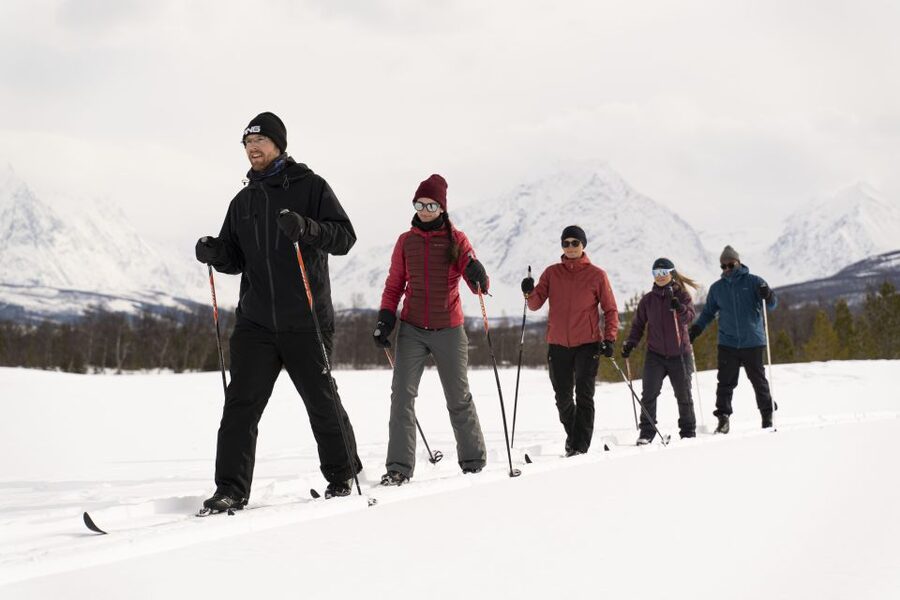
- Beginner-friendly instruction: You learn how to put on skis, move, fall safely, and get back up before heading onto the trail.
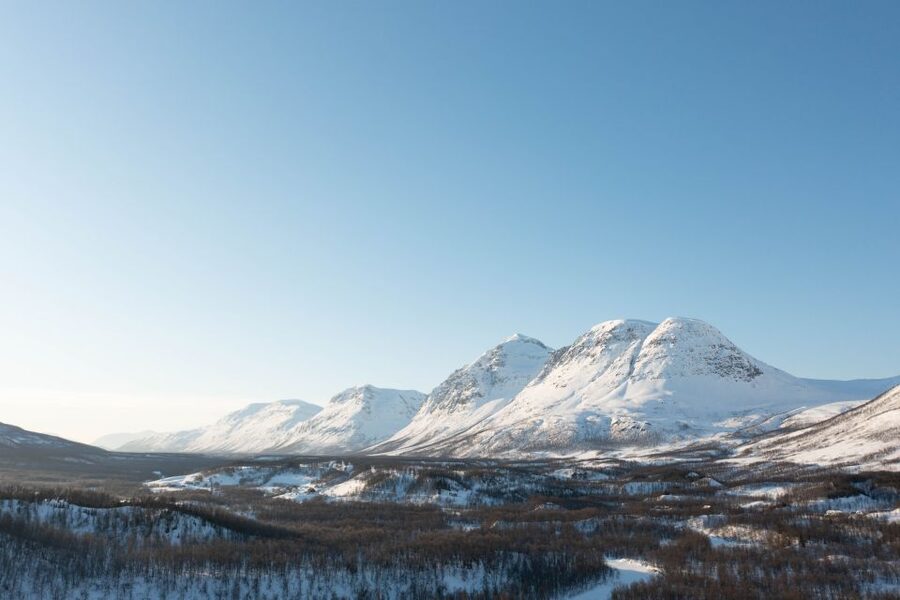
- Lyngen Alps scenery: Breivikeidet offers views of mountains, snowy forest, and sea, with possible animal tracks along the route.
- Small group size: The group is limited to eight, allowing guides to adjust the pace and help individual skiers.
- Warm clothing supplied: Thermal suits, boots, hats, and mittens are provided, useful in temperatures reported as low as -20°C.
- Husky time included: About 80 sled dogs are based at the camp, giving you time to meet and pet them after skiing.
- Shorter ski session than the total duration suggests: Plan on a day trip with transport, instruction, skiing, and a warm-up, not a full day on skis.
From Tromsø harbor to Breivikeidet
The day begins inside the main entrance hall of Tromsø Havn Prostneset on Samuel Arnesens gate 5. From there, you board a coach for the 50-minute ride to Breivikeidet.
This drive is part of the experience, not just a transfer. The route takes you away from Tromsø and toward the mountains, with scenic views along the way. Guides have also used the ride to explain local life and the area around Tromsø, making the journey more useful than a silent shuttle.
You will share the coach with people taking part in other activities at the camp, including dog sledding. That means the bus may carry a mix of groups, but your own cross-country skiing instruction begins once you arrive.
The timing matters. A 270-minute trip sounds long at first, but the two bus rides account for 100 minutes. After arrival, you still need time to change, receive equipment, learn basic skills, ski the route, visit the dogs, and warm up. I would treat this as a well-organized half-day outing, not an extended backcountry expedition.
More Arctic and Lapland Snow Trips in Norway:
- Tromsø: Sledding, Toboggan, Mini Skiing, Lasso & Arctic Fun
★ 4.8 · 95 reviews - Rovaniemi: Lapland Ski Trekking Safari
★ 4.7 · 224 reviews - Kemi: Finnish Sight-Skiing Experience in Lapland
★ 5.0 · 50 reviews
Getting dressed for Arctic conditions
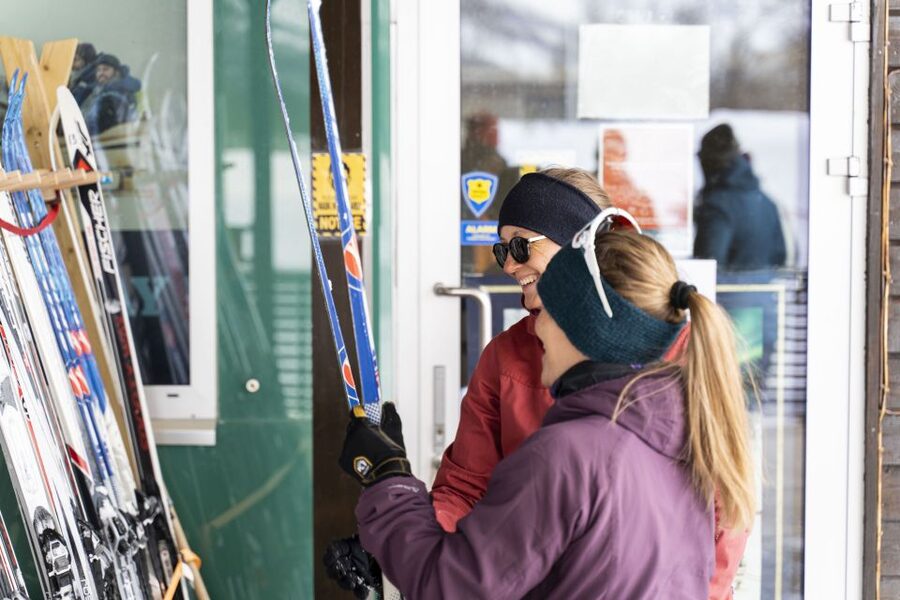
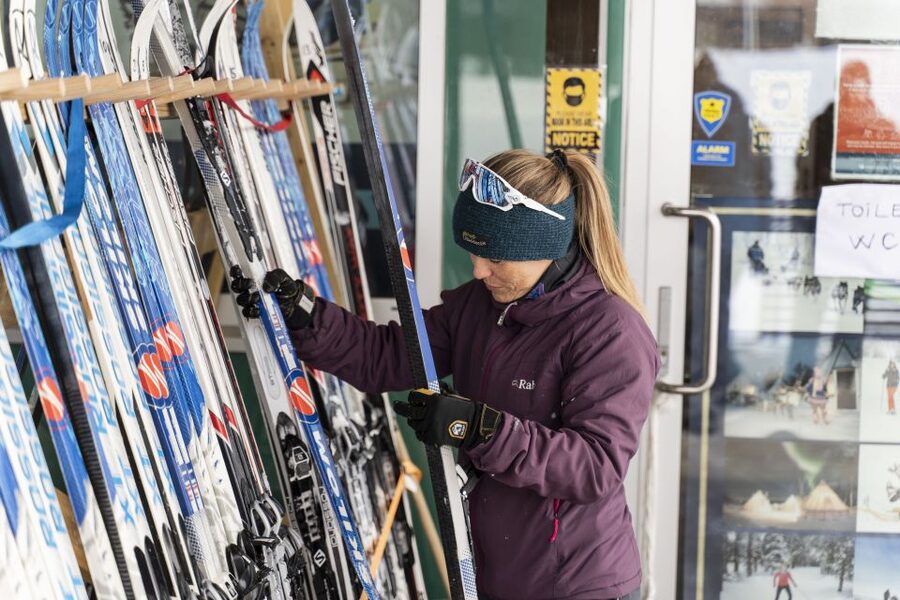
At the camp, staff provide the main equipment you need: skis, poles, ski boots, a thermal suit, winter boots, a hat, and mittens. This is a strong part of the price because bringing or renting a full set of cold-weather gear in Tromsø can add cost and planning.
You should still arrive with your own warm base layers and weather-ready clothing. Bring a hat, gloves, scarf, and thermal clothing even though some outer gear is supplied. The provided mittens and hat are useful, but personal layers let you adjust more easily during the active part of the outing.
Cold affects skiing quickly. One first-time skier described staying comfortable at around -20°C with the supplied accessories, while others found the activity tiring but rewarding. You will be moving, yet you may also stop for instruction and photos, so dress for both exercise and pauses.
Pets are not allowed on the activity. The experience is built around the camp’s working huskies, so there is no practical reason to bring your own animal.
Learning the basics before the trail
You do not need previous cross-country skiing experience. The instruction covers practical skills rather than assuming you already know how to use the equipment.
You learn how to put on the skis, how to move forward, how to fall, and how to stand up again. That last point matters more than it sounds. Cross-country skis are narrow and slippery, and knowing how to recover takes away much of the worry for a beginner.
The guides are frequently praised for patience and clear teaching. Julie has helped beginners at their own pace, Dima has worked with different ability levels, and Gigi and Kira have also received strong praise for friendly, careful instruction. Guides have stayed with slower skiers instead of forcing the whole group to move at one speed.
That makes the outing suitable for a mixed group. A stronger skier can move ahead, while a nervous beginner can take more time. You may still fall, especially early on, but falling is treated as part of learning rather than a failure.
The physical level is listed as medium. You need enough mobility for repeated balance changes, gentle exertion, and getting up from the snow. People with mobility impairments and wheelchair users cannot take part, and children under seven are not accepted. If you have a physical condition that could affect the activity, tell the operator before the tour so the staff can prepare properly.
Skiing beneath the Lyngen Alps
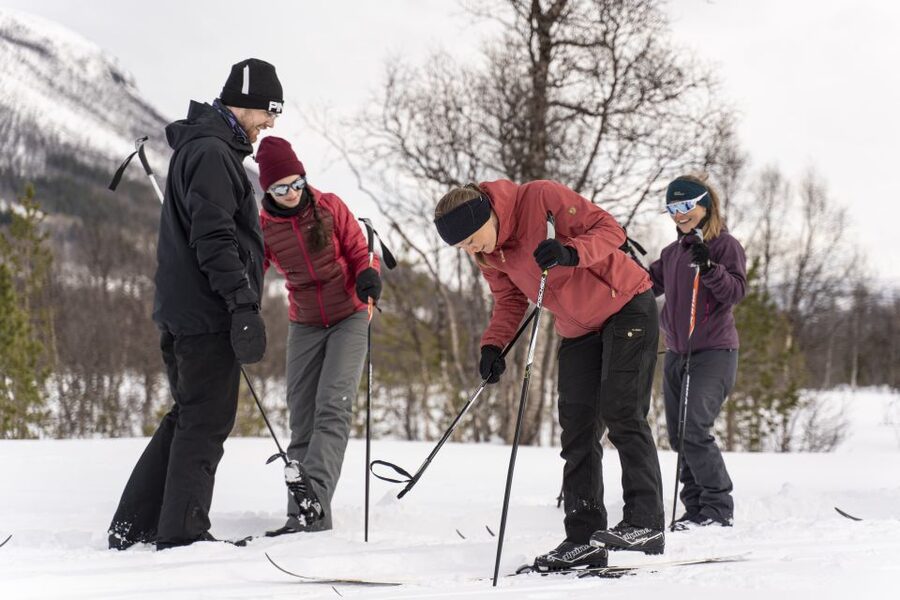
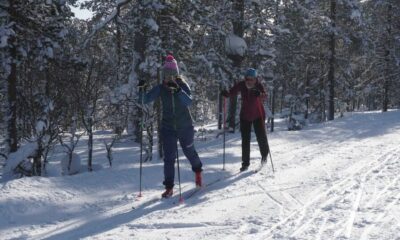
Once the briefing is over, you follow your guide onto the snowy trails around Breivikeidet. The route is designed for beginners and intermediates, so the focus is on learning and enjoying the surroundings rather than covering a demanding distance.
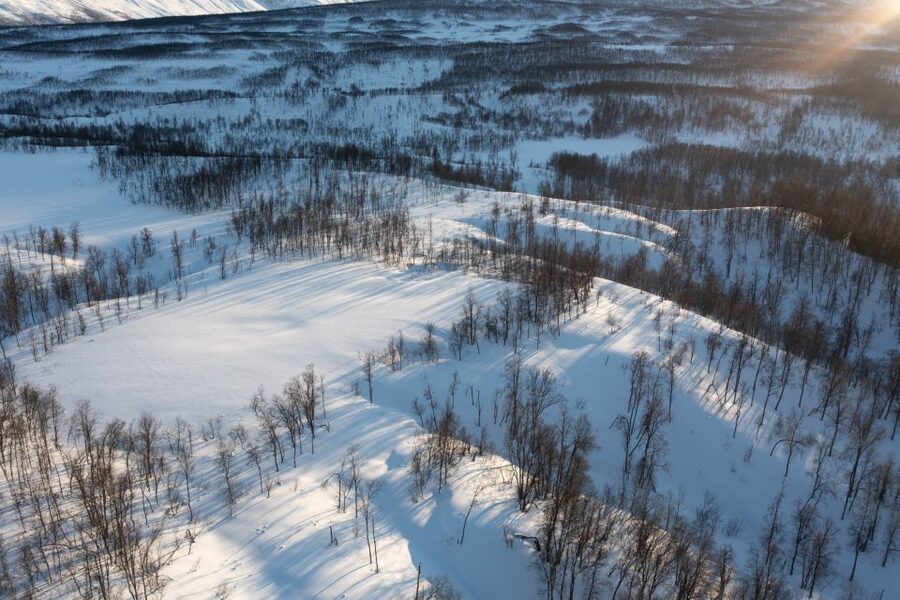
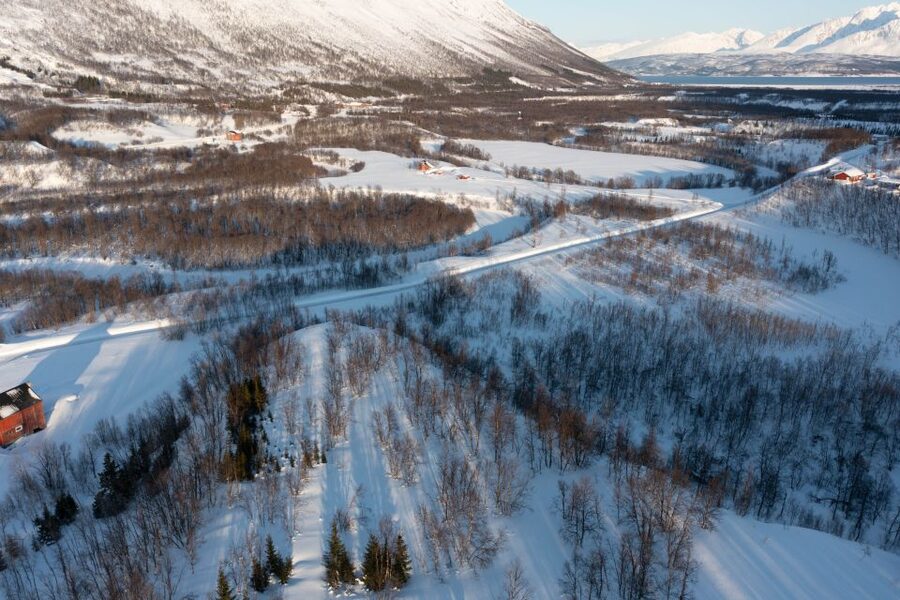
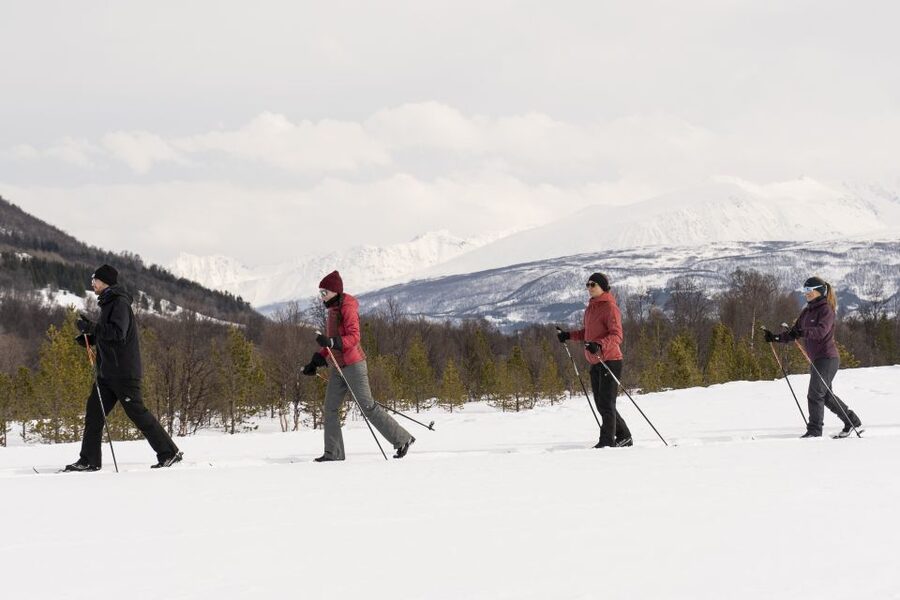
The setting is the main reason to choose this trip. You ski through Arctic scenery with the Lyngen Alps rising around you, and you may see the sea from the route. Snow-covered forest, quiet trails, and soft winter light give the outing a calm feel that is different from a faster snowmobile ride or a more intense dog-sled trip.
Some participants have covered more than 3 kilometers, but the distance depends on group pace, snow conditions, and confidence. You should not expect a fixed athletic challenge. The better way to think about it is a guided introduction, with enough trail time to feel that you have learned a real skill.
The guides also point out nature along the route. Animal tracks, including rabbit and fox prints, have been spotted in the snow. This gives you something to look for between ski lessons and photo stops.
Weather can change the view. Heavy snow may soften or hide the mountain scenery, while falling snow can also make the outing feel especially Arctic. Do not book this expecting clear mountain views every time. The scenery is a bonus, but the activity remains worthwhile in poor visibility because the instruction and trail experience continue.
You should expect a workout. Cross-country skiing uses more effort than its gentle pace suggests, and several people described being tired afterward. The pace is adjustable, but this is still active time in cold weather. Comfortable shoes and warm layers matter just as much as enthusiasm.
More Cross-Country Skiing in Norway:
- Tromsø: Cross Country Guided Skiing Course
★ 4.7 · 503 reviews - Cross-Country Ski Lesson for Beginners in Tromso
★ 5.0 · 180 reviews - Tromsø Cross-Country Ski Adventure
★ 4.5 · 72 reviews - Learn Nordic Skiing – Private Class with Professional Instructor
★ 5.0 · 12 reviews
Cake, coffee, and a Sami lavvu
After skiing, you return to the base camp and warm up in a lavvu, a traditional Indigenous Sami tent. A campfire, hot drinks, and cake provide a welcome change from the trail.
The refreshments are simple, but they fit the day well. Hot coffee, tea, or chocolate and a piece of cake give you time to thaw out and chat without turning the experience into a formal meal. A full meal is not included, so eat beforehand if you need something more substantial.
If you are gluten-free, bring your own snack. The provided cake may not suit your diet, and the experience does not promise a special alternative.
This pause also helps separate the skiing from the husky visit. You can sit indoors by the fire, spend time outside with the dogs, or do a little of both while waiting for the coach. In Arctic weather, that flexibility is useful.
Meeting the huskies at the camp
The base camp is also used for husky sledding, with about 80 dogs on site. After skiing, you have the chance to meet and pet them.
The dogs are friendly and energetic. Some become excited when a sled team is about to leave, while others are available for attention around the yard. You may have the chance to cuddle individual dogs, such as Bunny, and staff can explain more about the animals and their work.
This is not a husky sled ride. You are visiting the dog yard as an added part of the cross-country skiing trip. That distinction matters if you want time with the dogs but are less interested in being pulled behind them.
The dog visit also gives the activity a second focus. Skiing teaches you a new winter skill, while the kennel stop offers a more relaxed way to connect with the Arctic setting. If you are traveling with someone who is less excited about skiing, this portion may be the part they remember most.
One honest consideration is that not every visitor will feel comfortable with the appearance or condition of every working dog. One participant raised concern about some dogs looking thin. The available information also describes the dogs as cared for and staff as willing to answer questions. If animal welfare is central to your decision, use the visit as a chance to observe the facilities and ask the handlers direct questions.
What $145 buys you
At $145 per person, this is not the cheapest way to spend a morning near Tromsø. Its value comes from combining several costs and activities in one package.
You receive round-trip transportation, a live English-speaking guide, ski equipment, thermal outerwear, winter boots, hat, mittens, hot drinks, cake, and access to the dog yard. You also avoid arranging transport to Breivikeidet yourself, which is useful when you have limited time in Tromsø or do not want to drive in winter conditions.
The small group limit of eight adds value. Individual help is easier when the guide is not managing a large crowd, and the pace can be adjusted for beginners. The strongest feedback centers on exactly this point: patient guides, clear lessons, and support for people who have never skied.
The price is less attractive if you already own ski gear, have strong cross-country experience, or want a long route. Much of the fee pays for instruction, transport, clothing, and the complete camp setup. For a first experience, that package makes sense. For experienced skiers, the limited trail time may feel short.
Free cancellation up to 24 hours before departure and the option to reserve now and pay later give you some planning flexibility. Check the available start time when booking, since departure times can vary.
Who will enjoy this outing most
I would recommend this experience to first-time skiers, couples, families with children aged seven and older, and anyone who wants mountain scenery without committing to a demanding winter expedition.
It also suits solo visitors. Guides have taken photos for solo skiers, and the small group format makes it easier to receive help without feeling lost in a crowd.
You should choose another activity if you need wheelchair access, have limited mobility, dislike cold-weather exercise, or want a full meal included. You may also prefer a longer ski tour if your main goal is distance rather than a first lesson.
Families should note that the activity is medium in physical difficulty. A nine-year-old has enjoyed the outing, but every child will respond differently to cold, balance, and the effort of skiing.
Practical tips for a smoother day
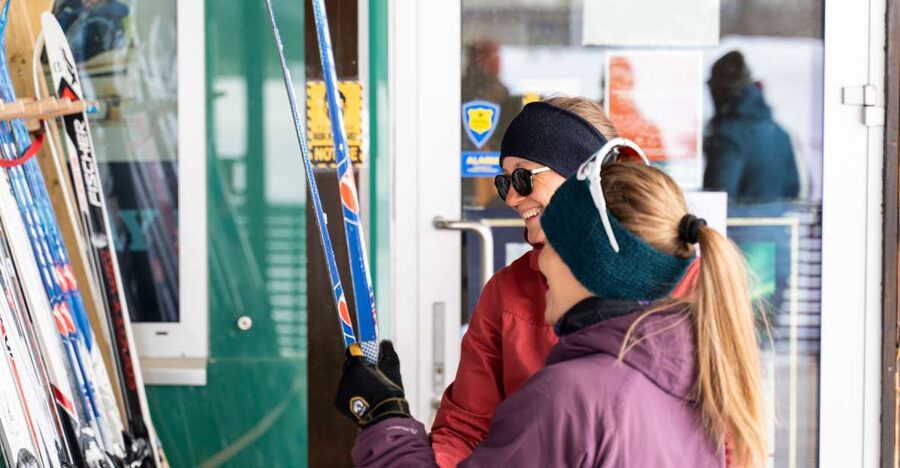
Wear thermal layers that let you move freely. Even with supplied outerwear, avoid arriving in ordinary city clothing alone.
Bring your own scarf and any preferred gloves or snacks. The operator lists these items as useful, and a personal snack is especially sensible if you have dietary restrictions.
Expect to fall at least once if you are new to cross-country skiing. That is normal, and the basic lesson specifically covers how to get back up.
Keep your camera or phone protected from the cold. The views and animal tracks are worth photographing, and guides have made regular photo stops, but you should not let pictures distract you from balance on the skis.
Give yourself time to warm up after the trail. The lavvu, hot drink, and cake are not filler. They are an important part of making the cold-weather activity comfortable.
Should you book Breivikeidet cross-country skiing?
Book it if you want an easy first step into Norwegian cross-country skiing, a scenic trip beneath the Lyngen Alps, and a husky visit in the same half-day. The strongest reason to go is the combination of patient instruction, small groups, supplied warm gear, and a beautiful setting.
Think twice if you expect several hours of uninterrupted skiing, a full lunch, or guaranteed clear views. The 50-minute ride each way takes a large share of the day, and weather can limit the scenery.
For most beginners, $145 is fair because it covers far more than skis and a trail. You get transport, teaching, clothing, refreshments, and time with working sled dogs. If that mix sounds right, this is one of the more useful ways to try an active Arctic experience near Tromsø without needing prior skills.
FAQ
Where does the activity begin?
Meet inside the main entrance hall of Tromsø Havn Prostneset at Samuel Arnesens gate 5.
How long is the experience?
The full activity lasts 270 minutes, or 4.5 hours, including the bus rides to and from Breivikeidet.
How long is the bus ride?
The coach ride takes about 50 minutes each way.
Is previous cross-country skiing experience required?
No. The activity is suitable for beginners and intermediates, and the guide teaches basic movement, putting on skis, falling, and getting back up.
What equipment is included?
Skis, poles, ski boots, a thermal suit, winter boots, mittens, and a hat are included.
What should I bring?
Bring a hat, gloves, scarf, weather-appropriate clothing, and thermal clothing. You may also want a personal snack if you have dietary restrictions.
Is food included?
Hot drinks and cake are included. A full meal is not provided.
Do I get to meet the huskies?
Yes. You can visit the dog yard after skiing, where about 80 huskies are based for sledding activities.
Is the activity suitable for children?
Children under seven cannot take part. The activity has a medium physical difficulty level, so consider your child’s comfort with cold, balance, and active movement.
Is the activity wheelchair accessible?
No. It is not suitable for wheelchair users or people with mobility impairments.
What language is the tour conducted in?
The live tour guide speaks English.
What happens if I need to cancel?
You can cancel up to 24 hours before the activity for a full refund. You can also reserve now and pay later.
Just added around Norway
- Skiing in winter wonderland★ 4.5 · 12 reviews
- Ski Touring with Norway Mountain Guides.★ 5.0 · 6 reviews
- Oslo: Cross Country Skiing Equipment with private lesson★ 4.8 · 9 reviews
- Geilo: Ski lesson package with Equipment and Ski Pass★ 5.0 · 2 reviews
- Learn Nordic Skiing – Private Class with Professional Instructor★ 5.0 · 12 reviews
- The Ultimate Norwegian Skiing Experience★ 5.0 · 16 reviews
- Tromsø: Ski touring (ski de randonnee)★ 4.9 · 18 reviews
- Oslo: Wilderness Skiing Tour with Lunch by the Fire★ 5.0 · 21 reviews
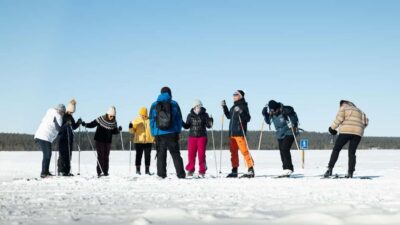
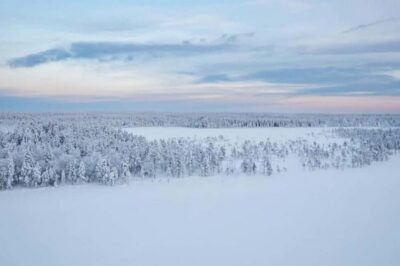
Cross-Country Skiing, compared.
Cross-Country Ski Lesson for Beginners in Tromso
Read our review →
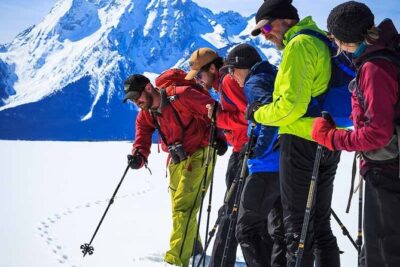
4 Hour Beginner Cross Country Skiing in Grand Teton
Read our review →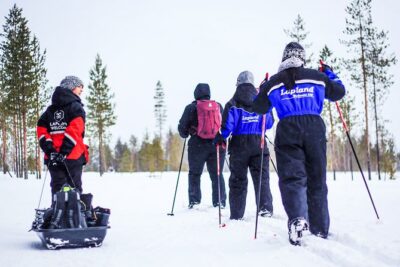
Browse the lists this tour appears in