
Reviewed · CROSS-COUNTRY SKIING
Learn to Cross Country Ski in Lake Louise
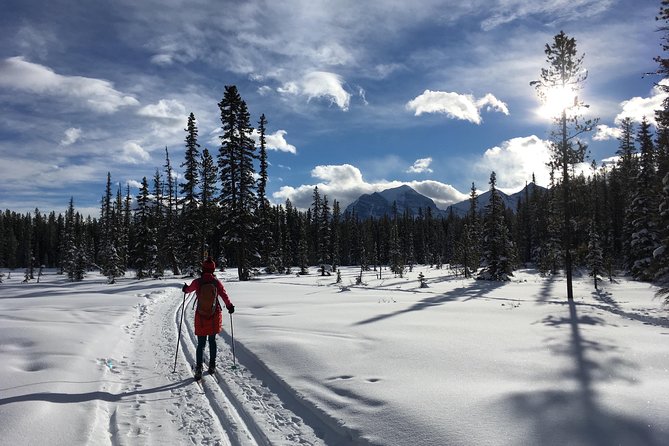
At Lake Louise, you’ll learn cross-country skiing in one of the Canadian Rockies’ best-known settings, then put those new skills to work on a short tour toward the back of the lake. The lesson covers the unglamorous essentials, including how to fall safely and get back up, before moving on to gliding and stopping.
I like the small group size, capped at six, because a beginner lesson works best when the guide can watch each person closely. I also like the patient approach described by guide Shauna, who helped a mature couple gain confidence and made time for a memorable look at frozen falls and ice climbing.
The main consideration is physical effort. You’ll be outside for about five hours, including lunch, and you need a strong fitness level, warm clothing, and your own waxless skis, boots, and poles, or money for rentals.
Key details before you book
- A true beginner lesson: You learn the basics from falling and standing up to gliding and stopping.
- A maximum of six people: The guide can give more personal attention than on a large-group outing.
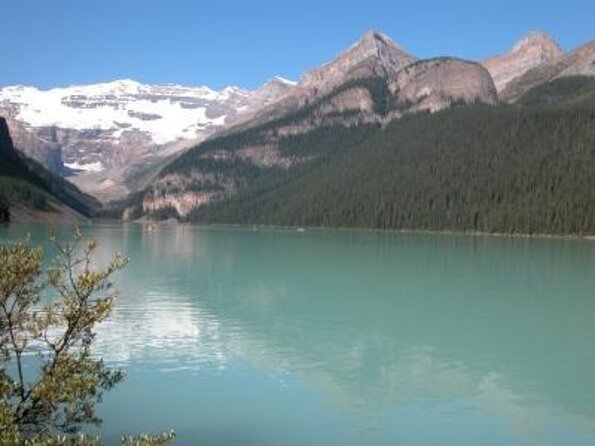
- A scenic finish: The tour heads toward the back of Lake Louise, with a chance to see frozen falls and ice climbing.
- Equipment is not included: Rentals cost about $30 to $35 per person locally, or $65 per person at Chateau Lake Louise.
- Plan for a full morning and afternoon: The activity begins at 10:30 a.m. and lasts about five hours, including time outdoors over lunch.
- Weather can change the plan: Wildlife closures and Environment Canada weather warnings can lead to cancellation.
Learning the basics beside Lake Louise
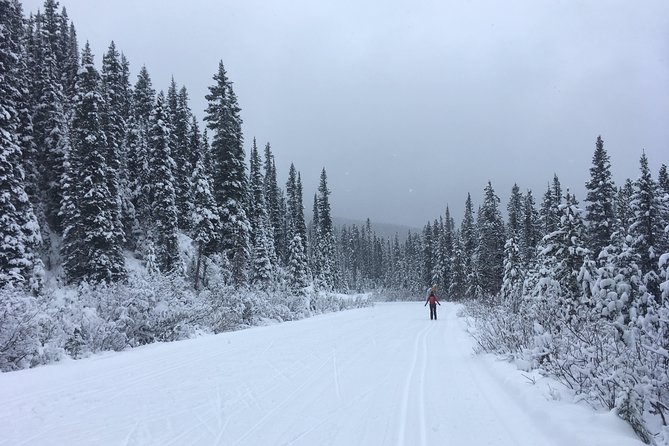
This is not a sightseeing ride with a few tips thrown in. The focus is on teaching you how to move safely and confidently on cross-country skis.
At the start, you’ll meet at Lake Louise Lakeshore, complete an orientation, and sign a waiver and COVID release form. Then the lesson begins with the skills many first-timers need most. You’ll practice falling, getting back up, gliding, and stopping.
That order matters. Cross-country skis are narrow and light, and beginners often spend more time trying to regain balance than moving forward. Learning how to recover from a fall takes away some of the worry. Once you know you can get up, you can pay more attention to your glide and your surroundings.
I appreciate that the lesson does not treat falling as a failure. It is part of learning. The instruction is designed for people who may have never skied before, rather than for downhill skiers looking for a quick introduction to a different sport.
The guide also handles navigation. That gives you one less job to worry about while you are working on your feet, poles, and balance. In a small group, you should have a better chance to ask questions and repeat a movement until it feels natural.
More Cross-Country Skiing in Canada:
- Lake Louise: Cross Country Skiing Lesson with Tour
★ 4.9 · 7 reviews - Tromsø: Cross Country Guided Skiing Course
★ 4.7 · 503 reviews - Breivikeidet: Cross-Country Skiing & Husky Visit
★ 4.9 · 257 reviews
Why the six-person limit matters
The group maximum is six people. That is a useful number for a physical lesson because the guide can keep an eye on each person without the outing becoming private instruction priced for one or two people.
This matters most when abilities differ. One person may glide easily while another is still trying to stand up. A small group allows more room for people to learn at their own pace. The experience with Shauna is especially encouraging for older beginners who are unsure if they are fit or coordinated enough to try.
You should still be honest about your fitness. The activity requires a strong physical fitness level, and you will be outside for most of the day. Cross-country skiing uses more than your legs. You’ll work with your arms and core as you balance, push, and recover.
The five-hour length also means this is more than a short introductory class. It gives you time to learn, practice, stop for lunch, and take a brief tour. The tradeoff is that it may feel demanding if you want only a gentle winter activity.
Touring toward the back of the frozen lake
After the lesson, you’ll take a short tour at Lake Louise. The stated plan includes heading toward the back of the lake, where you may see frozen falls and ice climbing.
That extra outing gives the lesson a purpose. You are not simply practicing in one spot, then returning to the parking area. You get a chance to use the skills you have just learned in a scenic part of the area.
The frozen falls and ice climbing are a particularly memorable touch. They add a visual reward to a day that is otherwise focused on technique. Conditions and exact views can change, and the experience may be cancelled for wildlife closures or official weather warnings, but the planned route gives you something special to work toward.
You should bring a day-pack with lunch and a thermos. Since you’ll be out over lunch, this is not the place to depend on a quick café stop. Pack food that is easy to eat outdoors, along with enough warm layers to remain comfortable when you stop moving.
What to wear and carry for five hours
Cold-weather preparation can make or break this outing. The required list includes mittens, a toque, a scarf, warm layers, lunch, and a thermos.
Use layers rather than one very heavy coat. You’ll need warmth during breaks, but skiing can make you work hard. The exact clothing system is up to you, but you should be ready for changing comfort levels during a long period outside.
You also need waxless Nordic skis, boots, and poles. Waxless skis are important because this lesson is designed around that type of equipment. If you arrive without gear, rentals are available, but they are not part of the tour price.
Rental options include Wilson Mountain Sports or Gear Up in Canmore, at approximately $30 plus tax per person. Chateau Lake Louise also offers rentals at $65 per person. That price difference is significant, so I would compare convenience against cost before choosing the hotel option.
The meeting point is Lake Louise Lakeshore, Lake Louise, Alberta, T0L 1E0. Transportation is not included, so you must arrange your own way there and return to the same meeting point at the end.
More ski trips around Canada:
- Whistler Premium Ski Rental Package
★ 5.0 · 55 reviews - Whistler Development Ski Rental Package
★ 5.0 · 48 reviews - Whistler Intro to Backcountry Skiing and Splitboarding
★ 5.0 · 23 reviews - Jacques-Cartier National Park: Skiing Excursion
★ 5.0 · 22 reviews
The real cost: $138.30 plus equipment
The listed price is $138.30 per person. Add approximately $30 to $35 per person for regular rental equipment, and your practical total is higher if you do not own skis, boots, and poles.
The value depends on what you want from the day. You are paying for a local guide, Nordic ski instruction, navigation, a small group, and a five-hour experience in the Lake Louise area. A short lesson alone would be easier to find at a lower price, but this outing includes time to practice and then tour beyond the teaching area.
The small group is the strongest value point for a beginner. More individual attention can prevent you from spending the day repeating a mistake. It also helps if you are nervous, older, or simply unsure how your body will handle the sport.
Group discounts are available, which may improve the price for friends or family booking together. The activity is offered in English, and confirmation is provided when you book.
I would budget for the equipment before comparing prices with other winter activities. The rental fee can change the total enough to affect your decision, especially if you need the $65 option at Chateau Lake Louise.
Who should book this lesson
I would recommend this experience to an adult beginner who wants instruction rather than a quick photo opportunity. It also suits a couple or small group of friends who want to learn together and are comfortable spending several hours outdoors.
The experience may work well for mature beginners. The lesson’s focus on falling and getting back up makes it less intimidating than an outing that assumes you already know how to ski. Shauna’s calm encouragement was especially helpful to a mature couple who were not sure they could manage the sport.
You should be ready for effort, cold, and a full day outside. If you have a strong physical fitness level and can carry lunch and extra layers, the format makes sense. If you want a relaxed winter walk with little exertion, this is probably not the right choice.
Families should check the suitability of each participant before booking, since the available information gives a fitness requirement but no specific minimum age. The group is small, but all participants still need to keep up with the activity.
What makes the guide important
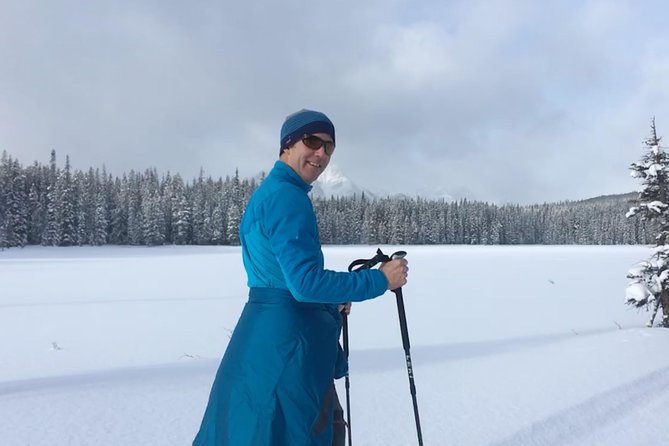
A ski lesson can be technically correct and still feel discouraging if the instructor rushes beginners. Here, the guide’s role includes instruction, navigation, and encouragement.
Shauna is the guide named in the experience details. Her approach helped first-time skiers build confidence by allowing plenty of time to practice basic movements. That is precisely the kind of teaching you want when the hardest part is not the skiing itself, but staying calm after an awkward fall.
The guide also takes you beyond the lesson area. Seeing the back of the lake, frozen falls, and ice climbing gives the day a sense of discovery without asking you to plan a route yourself.
Still, the pace of a small group outing depends on the people in your group and on conditions. You may spend more time waiting if another participant needs extra practice. For most beginners, that is a fair trade for having a guide who can give personal help.
Weather, closures, and practical timing
The start time is 10:30 a.m., and the outing lasts about five hours. That places lunch during the activity, so you should arrive prepared rather than expecting to finish before you need food.
The tour can be cancelled because of wildlife closures or Environment Canada weather warnings. This is a sensible safety measure for a winter activity in the Rockies, but it means you should avoid building an overly tight schedule around the outing.
You can cancel up to 24 hours in advance for a full refund. That gives you some flexibility if the forecast changes or your plans shift. Since conditions matter so much, check the forecast and your equipment plans before the final cancellation window.
The activity ends back at the original meeting point. No transportation is provided, so allow enough time to arrange your arrival at Lake Louise Lakeshore and your departure afterward.
Is this Lake Louise ski lesson worth booking?
Book it if you want a real introduction to cross-country skiing, not simply a scenic winter stop. The combination of instruction, a maximum six-person group, guide-led navigation, and a short tour toward frozen falls gives the day more substance than a basic rental session.
I especially like it for first-timers who feel nervous about falling or who want patient help. The price is easier to justify if you value a small group and need instruction, though you should add the rental cost and plan carefully for the weather.
Skip it if you are not fit enough for five hours outdoors, dislike cold-weather exertion, or want an activity with transportation included. For everyone else, bring the right gear, pack a proper lunch, and treat the lesson as the main event. The frozen falls and ice climbing are the bonus.
FAQ
Where does the cross-country ski lesson start?
It starts at Lake Louise Lakeshore in Lake Louise, Alberta. The address is Lake Louise Lakeshore, Lake Louise, AB T0L 1E0, Canada.
What time does the activity begin?
The activity begins at 10:30 a.m.
How long does the experience last?
It lasts approximately five hours and includes time outdoors over lunch.
Is ski equipment included?
No. You should bring waxless Nordic skis, boots, and poles. Rentals are available for about $30 to $35 per person at Wilson Mountain Sports or Gear Up in Canmore, or $65 per person at Chateau Lake Louise.
What should I bring?
Bring a day-pack with lunch, a thermos, mittens, a toque, a scarf, and warm layers for the day.
How many people can join the group?
The activity has a maximum of six participants.
Can the tour be cancelled?
Yes. Tours may be cancelled because of wildlife closures or Environment Canada weather warnings. You can also cancel up to 24 hours in advance for a full refund.
Just added around Canada
- Whistler Premium Snowboard Rental Package★ 5.0 · 3 reviews
- Montreal Epic Ski Adventure in Quebec’s Winter Wonderland★ 4.0 · 5 reviews
- Banff Performance Ski Rental Including Delivery★ 5.0 · 10 reviews
- Lake Louise: Cross Country Skiing Lesson with Tour★ 4.9 · 7 reviews
- From Toronto: Blue Mountain Day Trip Skiing Snowboarding★ 4.0 · 4 reviews
- Whistler Development Snowboard Rental Package★ 5.0 · 7 reviews
- Montreal: Guided Skiing in Quebec Forests★ 5.0 · 12 reviews
- Jacques-Cartier National Park: Skiing Excursion★ 5.0 · 22 reviews
Cross-Country Skiing, compared.
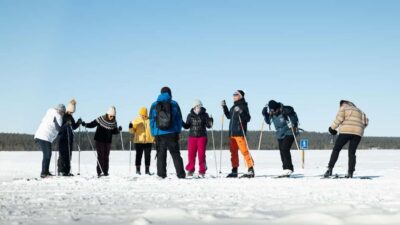
Breivikeidet: Cross-Country Skiing & Husky Visit
Read our review →
Cross-Country Ski Lesson for Beginners in Tromso
Read our review →
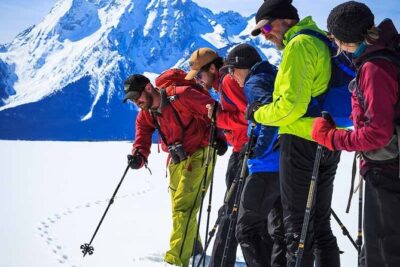
4 Hour Beginner Cross Country Skiing in Grand Teton
Read our review →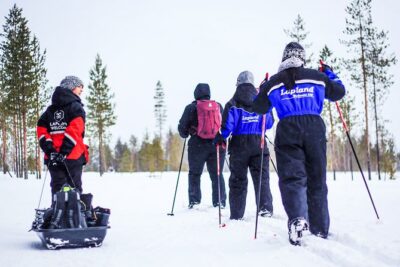
Browse the lists this tour appears in