
Reviewed · SKI LESSONS
Tromsø: Learn to Ski – Developed With Local Olympic Champion
Tromsø’s cross-country ski lesson turns a very Norwegian pastime into an easy first step on snow. You’ll start at Tromsø Skistadion, learn the basics with equipment provided, then head onto Tromsøya’s snowy trails with local guides who adjust the pace to the group. The lesson was developed with Olympic champion Erik Valnes, though he does not normally lead the daily sessions.
I like two things right away: you spend most of the 2.5 hours actually skiing, and the stop by the lake adds hot blackcurrant drink, a local snack, and time to enjoy the Arctic setting. Guides such as Trym, Simon, Tony, Hans, and Jakob have been praised for patience and practical coaching. The main catch is that cross-country skiing is exercise. You may warm up quickly, fall a few times, and find the first downhill sections more demanding than expected.
Key points before you book
- Made for complete beginners: You learn how to stand, glide, turn, stop, and handle gentle slopes before heading farther along the trails.
- Developed with Erik Valnes: The lesson structure draws on the experience of a local Olympic cross-country champion.
- Two hours on the snow: A short safety briefing and fitting are followed by roughly two one-hour ski sections, with a 15-minute break.
- A local culture lesson: Your guide explains how skis connect with Sami travel, Viking hunting, farming, military movement, and Norwegian identity.
- Hot drink and snack included: The midway stop gives you a warm, social pause beside the winter scenery.
- Bring your own winter clothing: Skis, poles, and boots are supplied, but you need a warm jacket, pants, hat, and gloves.
Your first steps on Tromsø’s snow
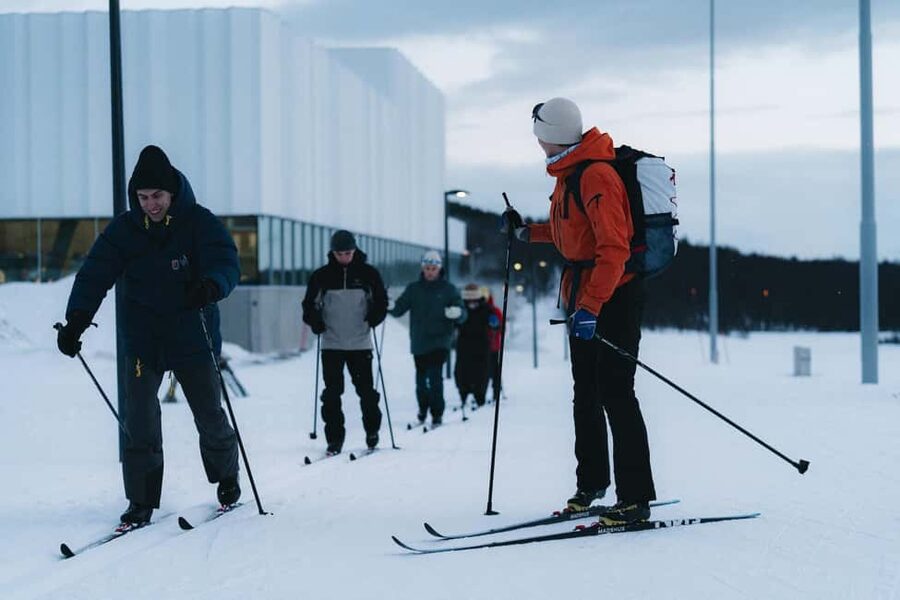
The meeting point is at Tromsø Skistadion, home base for SkiTromsø. Look for the white van with the SkiTromsø logo in the parking area between the small dark-red house and the large red sports hall, Tromsøhallen. Your guide meets you there and helps with the equipment.
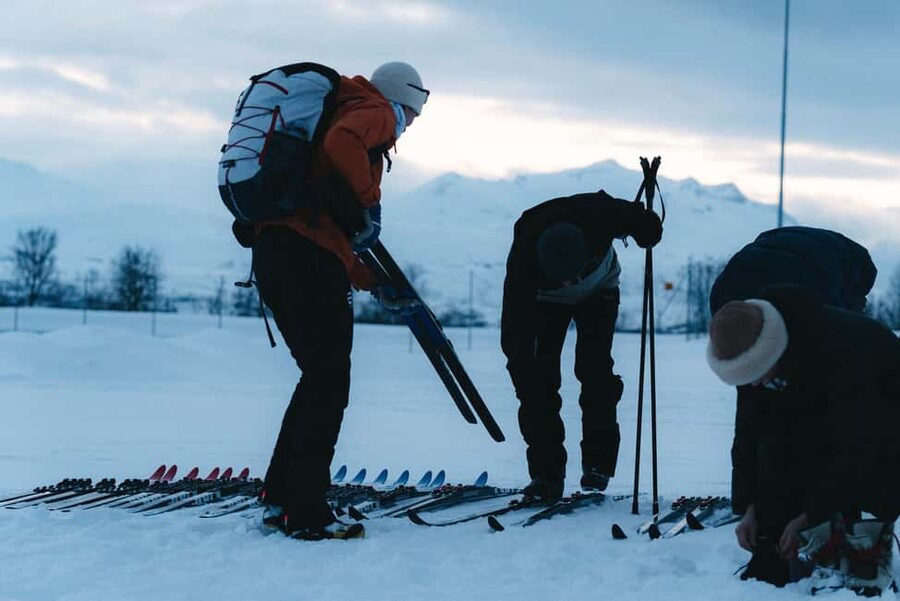
The fitting includes skis, poles, and boots. This matters more than it may sound. Cross-country skiing uses a narrow ski and a free heel, so it feels quite different from downhill skiing. You do not simply point downhill and let the skis carry you. You need to balance, shift your weight, and learn to make the skis move with a steady gliding motion.
The opening safety briefing lasts about 15 minutes. You’ll get a quick introduction to the equipment and the basic rules, then practice in an easy area near the stadium. The guides focus on useful movements rather than burying you in technical detail. You’ll work on standing comfortably, gliding forward, controlling your speed, and dealing with small changes in the snow.
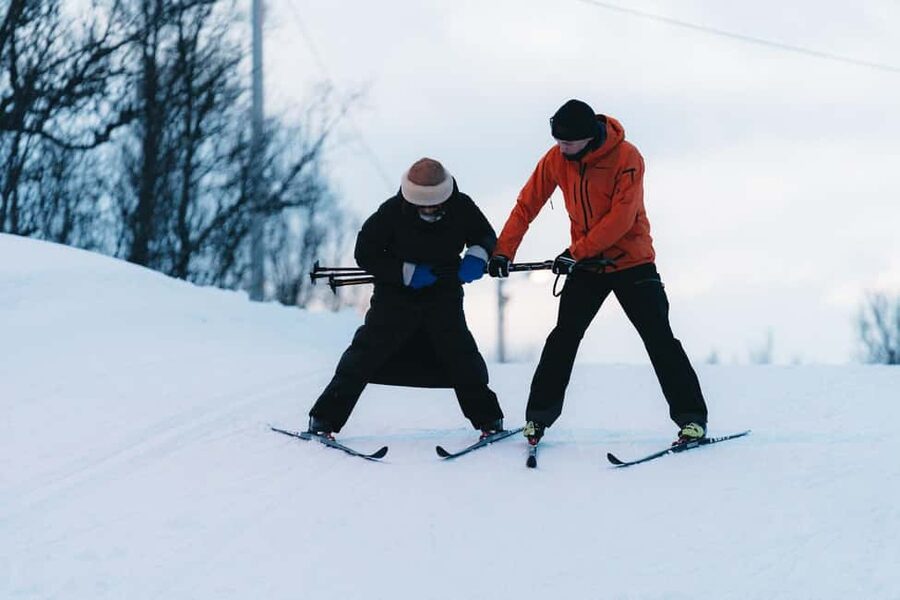
That beginner focus is one of the strongest parts of the experience. People who have never skied have been able to get moving during the first session, while those returning after many years have had a gentle way back into the sport. Guides have also adjusted their help for people at different levels, giving extra attention to anyone who needs it and more advanced tips to anyone progressing quickly.
More Ski Lessons in Norway:
- Cross-Country Ski Lesson for Beginners in Tromso
★ 5.0 · 180 reviews - Tromsø: Learn to Ski – Developed With Local Olympic Champion
★ 5.0 · 31 reviews - Geilo: Ski lesson package with Equipment and Ski Pass
★ 5.0 · 2 reviews
What the Olympic connection really adds
Erik Valnes is a local Olympic cross-country champion and co-owner of SkiTromsø. The teaching plan was developed with him, which gives the lesson a clear structure and a useful local connection.
You should not expect an Olympic training session. This is not a race, and the guide will not push you into a demanding workout before you are ready. The value of the connection is in the progression: simple exercises first, then a gradual move from basic balance to practical skiing on the trails.
That approach suits beginners because cross-country skiing can feel awkward for the first few minutes. You are learning several things at once: how to keep your feet under you, how to use the poles, how to move uphill, and how to slow down without a chairlift or a hard stop. A lesson that moves in small steps gives you a better chance of enjoying the outing instead of spending it frustrated.
Keep in mind that Erik Valnes will not normally be your guide. Local instructors lead the daily tours. The named guides in the supplied tour information include Trym, Simon, Tony, Hans, Jakob, Sevat, and others, but the guide on your date can vary.
Tromsøya trails and Arctic views
Once the group is comfortable, the tour leaves the practice area and heads onto Tromsøya. The route uses beginner-friendly terrain, with snowy trails, pine forest, open views, and mountain scenery around Tromsø. The exact route can change with conditions and the ability of the group.
You’ll ski for about an hour before the break. That is long enough to move beyond a basic lesson and get a feel for the sport as a real local activity. Some people may find themselves skiing several kilometres during the outing. Others will spend more time practicing balance and turning. The guides keep the group together while making room for faster participants to move ahead with a guide when appropriate.
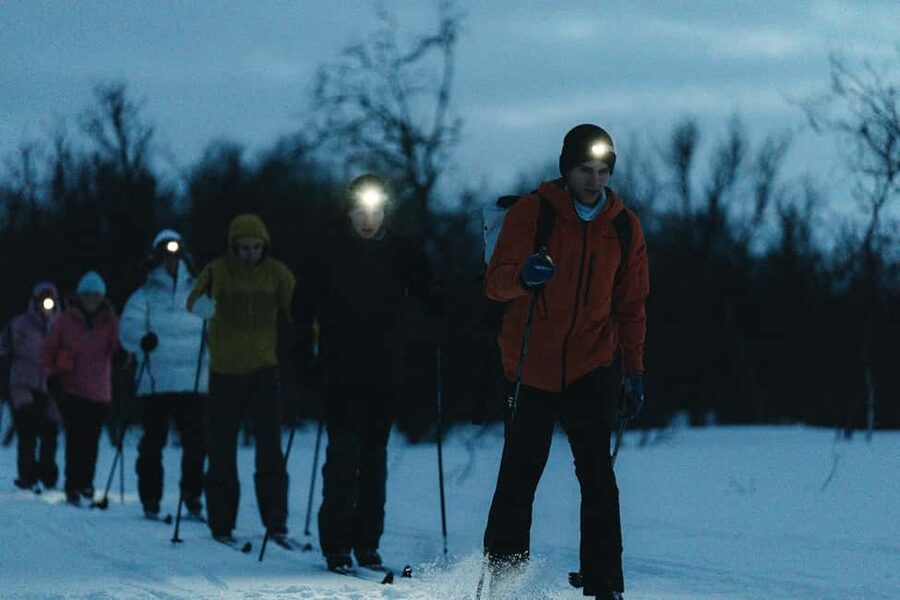
The setting is a major part of the appeal. You are not practicing inside a dry ski school or on a narrow artificial slope. You are learning outdoors among winter trees and snowy paths, with Tromsø’s mountains providing the backdrop. Look up from your skis now and then. The scenery can be striking, especially around sunset, and some sessions take place beneath the Northern Lights.
The route is not a wilderness expedition. You remain close to the city and return to the same ski stadium, which makes the activity easier to fit into a Tromsø itinerary. That also means you should not book it expecting a long remote trek. The point is to learn a useful Norwegian skill in a scenic local setting.
The midway stop by the lake
After the first ski section, the group pauses for about 15 minutes. You’ll have time for photos, a warm drink, and a Norwegian snack served in a reusable traditional cup.
The drink is often warm blackcurrant, a welcome change from the cold air and a simple taste of Norwegian outdoor culture. The snack has been described as a small bread cake with a creamy filling. Food is modest, but it gives the break a friendly, local feel and helps make the experience more than a lesson followed by a quick return to the van.
The stop also serves a practical purpose. Cross-country skiing can make you warm even in cold weather, and the pause lets you adjust clothing, catch your breath, and chat with the group. By the lake, the quiet winter setting becomes part of the activity rather than just a backdrop for photographs.
Bring a camera or charged phone if you want pictures, but protect it from the cold and keep it easy to reach. You’ll also want water. The supplied drink is a nice extra, not a replacement for your own hydration.
More ski trips around Norway:
- Tromsø: Cross Country Guided Skiing Course
★ 4.7 · 503 reviews - Breivikeidet: Cross-Country Skiing & Husky Visit
★ 4.9 · 257 reviews - Tromsø: Sledding, Toboggan, Mini Skiing, Lasso & Arctic Fun
★ 4.8 · 95 reviews - Oslo: Day Pass for Downhill Skiing at SNØ Ski Dome
★ 4.4 · 88 reviews
The second ski section builds confidence
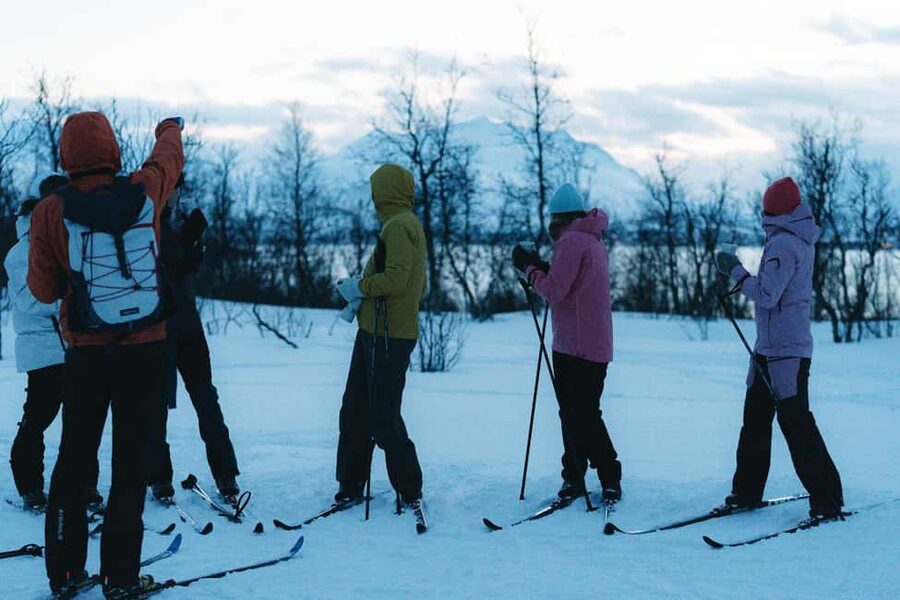
After the break, you return to the trails for another hour. This is where the lesson often becomes more satisfying. You already know how the skis feel, so the guide can help you use them with more confidence.
You may practice gentle downhill movement, turning, and more advanced ways to control your speed. The route can include easy slopes, and some groups have gone onto deeper snow or more challenging sections once everyone was ready. Falling is part of the process. The guides are there to help you up, explain what went wrong, and make the next attempt less awkward.
A key benefit is the flexible pace. If you are still learning to glide, you can stay with the guide and work on the basics. If you have skied before, the first lesson may feel simple, but the longer trail section and hills should offer more interest. A participant with previous skiing experience found the opening exercises very basic but enjoyed the scenic second half and felt ready to rent equipment afterward.
Do not mistake beginner-friendly for effortless. One person described the outing as a good workout, and that is fair. You use your legs, core, and arms throughout. You may become warm quickly, so dress in layers rather than wearing one extremely heavy coat. At the same time, you need proper winter protection for stops and changing weather.
Skiing as part of Norwegian life
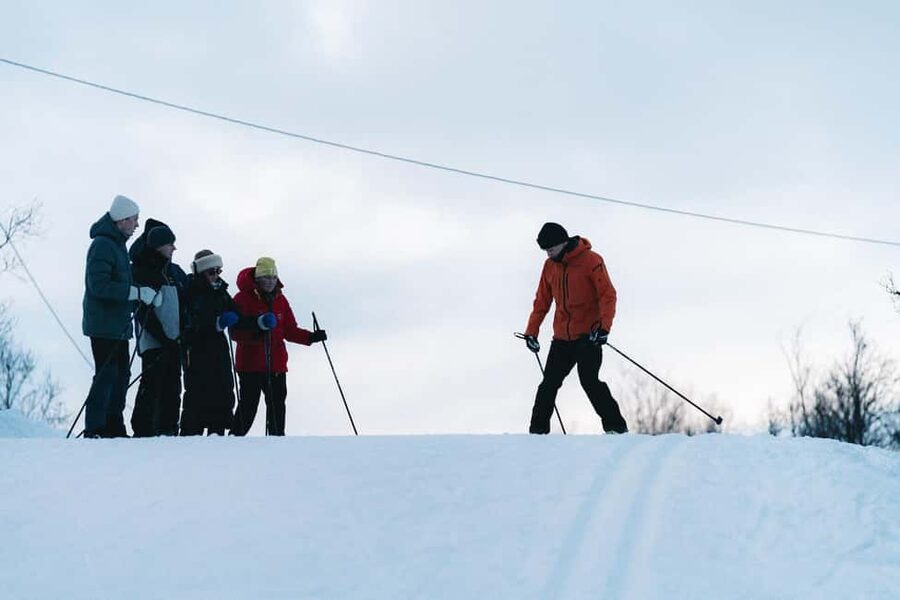
The cultural side gives this experience more purpose than simply trying a new sport. Your guide explains why skiing is tied so closely to Norway’s national identity.
Skis were once practical tools for moving through winter, not just equipment for recreation. Vikings used them for hunting, the Sami relied on skis for travel, and farmers and soldiers needed them to cross long distances in difficult conditions. That background helps explain why skiing is treated in Norway as an ordinary part of life, shared across generations and communities.
You’ll also hear about the familiar Norwegian idea that people are born with skis on their feet. Of course, visitors are not expected to arrive with that talent. The useful lesson is that skiing here is connected to independence, outdoor time, and resilience. You are trying a small piece of a national tradition, not just checking off an Arctic activity.
This cultural context is especially valuable if your Tromsø visit includes other winter excursions. A dog sled ride or a Northern Lights trip shows you the Arctic from another angle. This lesson lets you take part in the way local people have long moved through it.
Price, time, and practical value
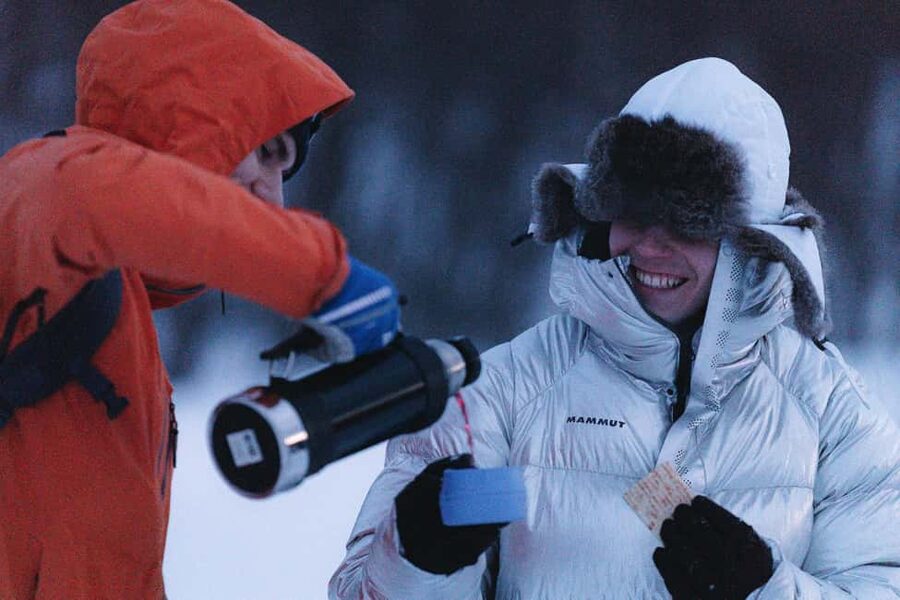
At $85 per person, the activity offers solid value if you need equipment and instruction. The price includes skis, poles, boots, a local guide, a snack, a warm drink, and the reusable cup. Renting equipment separately and figuring out the trails on your own would not give you the same introduction or cultural context.
The 2.5-hour length is also well judged for a first attempt. A shorter session might end just as you begin to feel steady, while a full-day outing could be too much for someone who has never used cross-country skis. You get roughly two hours of skiing, with time to learn, practice, pause, and try again.
You must arrange your own transport to Tromsø Skistadion. The activity does not include winter clothing, so budget for suitable layers if you have arrived without them. You need a warm jacket, winter pants, hat, gloves, and water. The tour is offered in English and Norwegian.
The cancellation policy is flexible: you can cancel up to 24 hours before the activity for a full refund. You can also reserve now and pay later, which helps when weather and other Tromsø plans are still shifting.
Who should book this ski lesson?
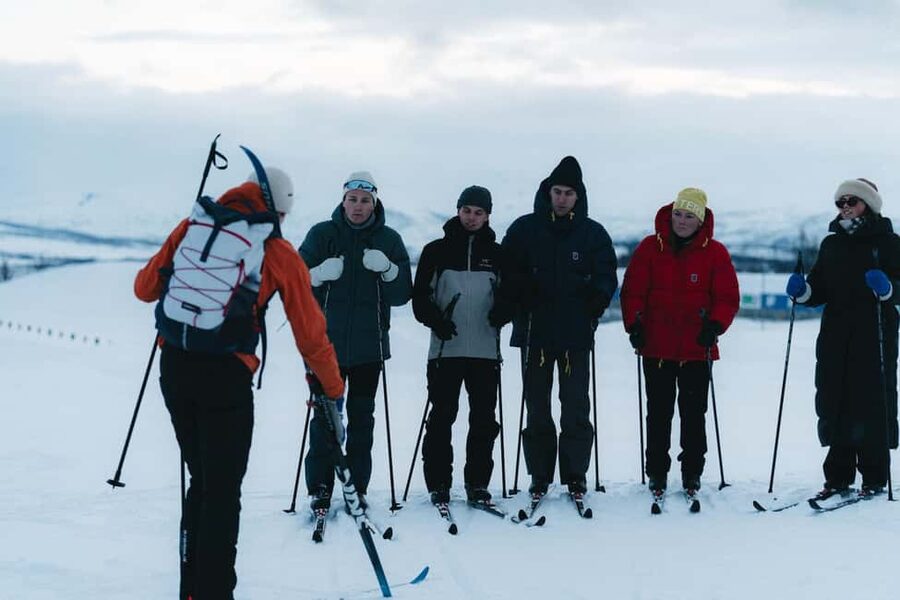
I’d recommend it most strongly to first-time cross-country skiers, families with older children, couples, and solo visitors who want a social outdoor activity. Children under six cannot participate, and the activity is not suitable for wheelchair users, people with mobility impairments, people with vertigo, pregnant women, or people with pre-existing medical conditions.
It can work well for families because the guides adapt their teaching and stay attentive when someone falls or needs extra help. Children must still be comfortable in cold weather and ready for physical activity. The minimum age is six, but the supplied information does not promise a separate children’s program.
It also suits anyone who has skied downhill but has never tried Nordic skiing. The free heel and rolling motion take some getting used to, so downhill experience helps only up to a point. If you already do cross-country skiing regularly, the opening lesson may be too basic, though the trail, views, and local setting can still make a pleasant short outing.
Solo visitors should find the format easy to join. The guide-led structure gives you company without requiring a private booking. Party groups are not allowed, and drones, alcohol, and drugs are prohibited.
Safety, clothing, and small details that matter
Participation is at your own risk, and you need valid travel insurance. Follow the guide’s instructions, especially on downhill sections and when the group changes direction.
Wear layers that let you remove a jacket once you warm up. Keep your hands protected, since beginners spend more time touching snow when they fall. A charged phone is useful for meeting-point updates and photos, and the operator uses automated messages for booking changes, meeting times, and safety alerts.
The weather may change quickly. Snowfall can make the experience feel wonderfully Arctic, while soft snow can be easier for a beginner than icy conditions. Still, the tour may feel more physically demanding in poor weather, so check the conditions and arrive prepared.
The meeting point is specific, so do not simply wait somewhere near Tromsøhallen. Find the white SkiTromsø van between the small dark-red house and the large red sports hall. Your guide will greet you there.
Should you book Tromsø’s beginner ski tour?
Book it if you want to do more than watch winter scenery from a bus or chase the Northern Lights from a roadside stop. You’ll learn a genuine Norwegian skill, spend substantial time outdoors, and get local stories along with practical instruction.
I would skip it only if you dislike physical activity, have mobility or medical limits listed by the operator, or already ski cross-country at a strong level. For most beginners, the $85 price, equipment, patient coaching, scenic trails, and hot drink break make this one of Tromsø’s more useful winter introductions.
FAQ
Is previous skiing experience required?
No. The activity is designed for complete beginners, and the lesson starts with basic instruction on balance, gliding, turning, and using the equipment.
What equipment is included?
SkiTromsø provides skis, poles, and boots. You need to bring your own winter clothing, including a jacket, pants, hat, and gloves.
Where does the tour meet?
Meet at Tromsø Skistadion by the white van with the SkiTromsø logo. It is parked between the small dark-red house and the large red sports hall, Tromsøhallen.
How long does the activity last?
The full experience lasts 2.5 hours. It includes a 15-minute safety briefing, two roughly one-hour ski sections, and a 15-minute break with a snack and warm drink.
Is Erik Valnes the guide?
Not normally. The lesson structure was developed with local Olympic champion Erik Valnes, but experienced local guides lead the daily sessions.
What languages are available?
The tour is offered in English and Norwegian.
Just added around Norway
- Skiing in winter wonderland★ 4.5 · 12 reviews
- Ski Touring with Norway Mountain Guides.★ 5.0 · 6 reviews
- Oslo: Cross Country Skiing Equipment with private lesson★ 4.8 · 9 reviews
- Geilo: Ski lesson package with Equipment and Ski Pass★ 5.0 · 2 reviews
- Learn Nordic Skiing – Private Class with Professional Instructor★ 5.0 · 12 reviews
- The Ultimate Norwegian Skiing Experience★ 5.0 · 16 reviews
- Tromsø: Ski touring (ski de randonnee)★ 4.9 · 18 reviews
- Oslo: Wilderness Skiing Tour with Lunch by the Fire★ 5.0 · 21 reviews
Ski Lessons, compared.
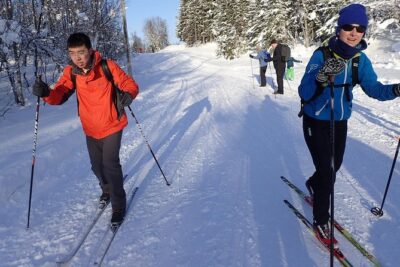
Cross-Country Ski Lesson for Beginners in Tromso
Read our review →
Private Ski Instructor from Lucerne including Transport
Read our review →
HALF DAY 3-Hour Private Ski Lessons in Zermatt, Switzerland
Read our review →
Learn to Ski – Developed With Local Olympic Champion
Read our review →
Browse the lists this tour appears in