
Reviewed · JAPAN SKI TRIPS
Nagano Ski Buffet
Nagano Ski Buffet is built around a simple idea: ski hard by day, then trade your boots for a hot spring, a geisha show, or a late karaoke session. Based in Yudanaka, an old-fashioned ski village, the tour pairs guided powder skiing with snow monkeys, taiko drums, shamisen music, karate, sake, and historic towns. The skiing is the main event, but the cultural program keeps the trip from feeling like ten straight days on chairlifts.
I like the way Jase and his team handle the moving parts, especially the early mountain pickups, private transport, lift passes, and daily guiding. I also like the mix of ability levels, since the group can be divided so experienced skiers chase powder while less advanced participants get useful instruction. The drawback is the price and the strict cancellation policy, plus equipment hire, meals beyond breakfast, drinks, flights, and insurance remain your responsibility.
Key points before you book
- Powder-focused guiding: The guides search out fresh snow and slack-country terrain at Nagano-area resorts.
- Yudanaka as your base: You stay in a traditional Japanese ski town rather than a purpose-built resort bubble.
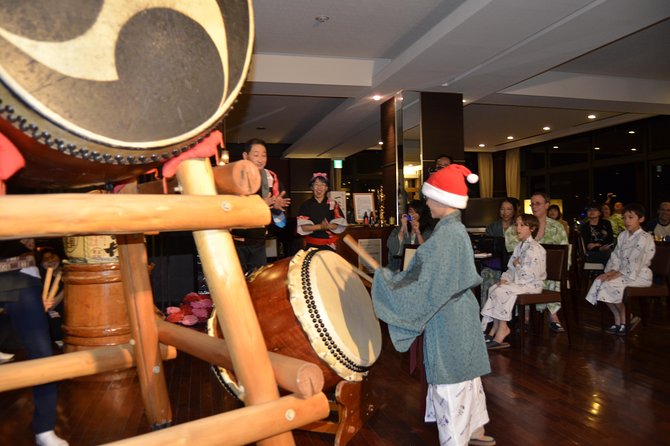
- Culture after skiing: Expect a geisha performance, taiko, shamisen, lion dance, karate, karaoke, and local food experiences.
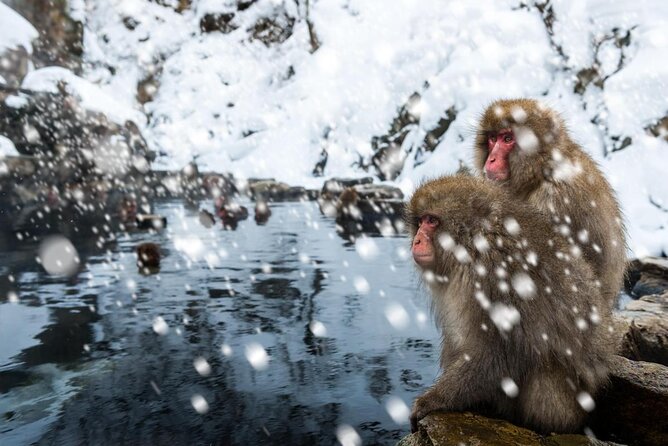
- Snow monkeys and old Japan: The program includes the famous monkeys, temples, historic Shibu Town, and possible visits to Matsumoto Castle and Nagano.
- Good for solo skiers: The private group format and guided days can work well if you want company without arranging a large party yourself.
- Plan for a serious active trip: A strong fitness level is required, and the schedule is designed around skiing rather than leisurely sightseeing.
Why Nagano Ski Buffet feels different from a normal ski holiday
Many Japan ski trips split into two separate jobs. You book a hotel, figure out trains and resort buses, rent equipment, buy lift tickets, and then decide what to do after the lifts close. This tour puts those pieces under one roof.
That matters in Nagano, where several ski areas and cultural sights are spread around the region. You meet at Yudanaka Station in Yamanochi, and the tour ends back at the same point. From there, private transport takes care of the daily mountain runs and sightseeing transfers.
The result is a trip with a clear rhythm. You ski with a guide, return to a traditional town, eat or soak, and then take part in a cultural activity. You are not left to solve every transport question while tired, carrying wet gear, and trying to read a timetable.
The tradeoff is that this is not a free-form holiday. You are buying structure. If you prefer to sleep late, choose a different resort every day without advice, or spend several afternoons sightseeing instead of skiing, the schedule may feel too full.
Other ski days people book around the world:
- Dubai: 2-Hour or Full-Day Slope Session at Ski Dubai
★ 4.3 · 1,202 reviews - Dubai: Ski Dubai Snow Park Classic Pass
★ 4.5 · 625 reviews - Tromsø: Cross Country Guided Skiing Course
★ 4.7 · 503 reviews
The skiing: powder, trees, and slack-country routes
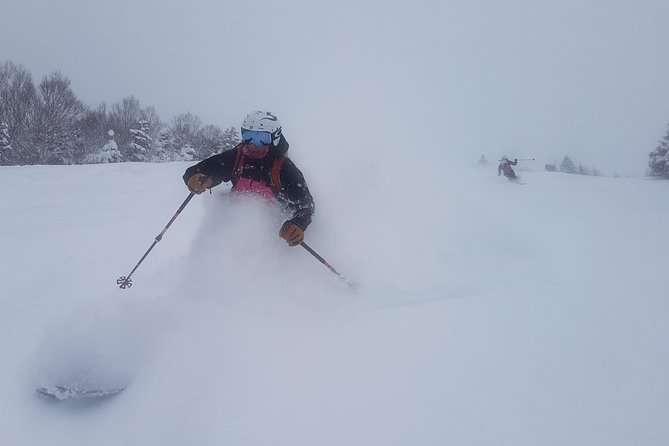
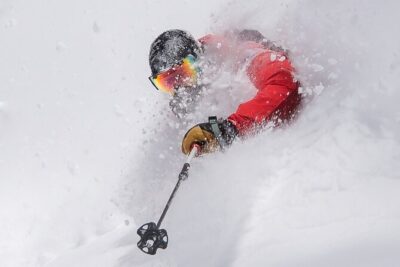
The strongest part of the experience is the skiing. Japan Powder Culture Tours is aimed especially at advanced skiers who want to find as much powder as possible and explore slack-country areas around the resorts. The guides use their local experience to choose the best available snow rather than treating one mountain as the only option.
That approach becomes valuable when conditions change. Fresh snow is not guaranteed every day, and one particularly useful detail from the trip’s feedback is that excellent skiing can continue even after the main snowfall has ended. The guiding team knows where to look, how to move around the terrain, and how to make the most of the conditions.
You should be clear about your own ability before booking. The trip suits strong intermediate, advanced, and expert skiers, but it is not only for experts. Several people with intermediate ability and beginners on shorter versions of the program have used the instruction and group divisions to improve. The important question is not just how many years you have skied, but how comfortable you are in changing snow and on a full active day.
You also need a strong fitness level. Skiing powder, moving through trees, carrying or managing equipment, and repeating this over many days can be tiring. The pace is not presented as a gentle introduction to Japan with a little skiing added on. It is a ski holiday with culture woven through it.
Equipment hire is not included. That gives you freedom to bring your own setup or rent locally, but it adds a cost and one more task. Allow time for fitting, especially if you arrive without your own skis or snowboard.
Early pickups and practical mountain days
The daily transport is one of the least glamorous parts of a ski holiday, but it can decide how much skiing you get. The operation is described as punctual, with early pickups that get groups to the slopes promptly. Your skis and poles may also be looked after at the end of the day and prepared for the next morning, which saves energy and avoids a muddy equipment shuffle.
Private transportation is included, and that is a real advantage in a region where public connections can take time. You are not trying to carry ski gear through several changes or work out the best resort bus after a long day.
Exact resort choices and day-by-day timings are not specified, so you should ask the provider for the current plan before paying. Snow conditions, ability groups, and weather can all affect the final schedule. A bad-weather or recovery day may be used for Matsumoto, Nagano, temples, castles, or other local activities.
That flexibility is sensible. A ski trip that refuses to adjust to poor visibility or thin snow is badly designed. Here, the cultural program gives the guides somewhere useful to take you when the mountain is not worth the effort.
Yudanaka gives the trip its Japanese character
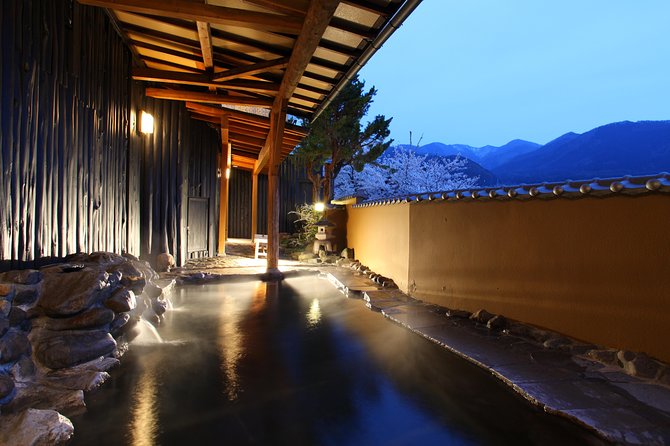
Yudanaka is more than a place to sleep. It is a traditional Japanese ski village with hot springs, old streets, local restaurants, and access to the snow monkey area. Staying there gives you a stronger sense of everyday mountain Japan than a sealed resort hotel would.
The setting also makes the trip feel social. You return from the slopes to an onsen, local sake, or a simple meal, then meet the group again for an evening activity. That contrast is one of the best reasons to choose this tour over a lift-pass package.
You should not expect every meal to be included. Breakfast is provided, but dinners, lunches, and drinks are extra. The second-night sushi train and karaoke outing sound like organized highlights, yet you still need money for food and beverages throughout the stay.
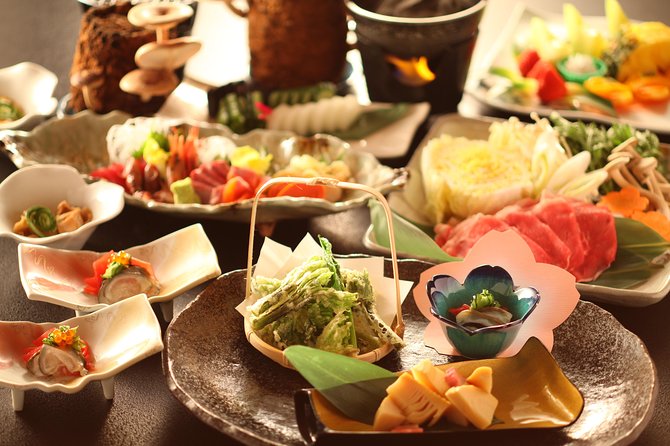
The local food and drink program is part of the appeal. Sake and regional beer recipes are included among the planned experiences, but the details of which meals and tastings are covered can vary. Ask for a current list if the food side of the trip matters as much to you as the skiing.
More ski trips around the world:
- Dubai: Ski Dubai Snow Plus Pass
★ 4.4 · 440 reviews - Eobi Ice Valley / Elysian Ski Resort / Nami Island
★ 5.0 · 285 reviews - Private Ski Lessons – 3 hours Zermatt
★ 5.0 · 279 reviews - Breivikeidet: Cross-Country Skiing & Husky Visit
★ 4.9 · 257 reviews
Snow monkeys, temples, and old castle towns
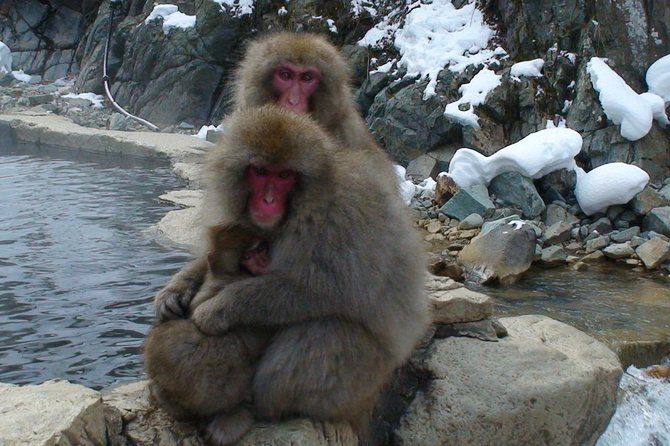
The snow monkey visit is one of the most recognizable cultural stops. Nagano’s famous Japanese macaques are associated with snowy mountain scenery and hot spring areas, making the outing a natural match for a winter trip. It also gives you a proper rest from ski boots without abandoning the region’s mountain character.
The tour can also use a recovery or bad-weather day to visit Matsumoto and Nagano. Matsumoto is known for one of Japan’s oldest castles, while Nagano adds major temples and a different view of the area’s past. These visits help explain why Nagano is more than a collection of ski resorts.
Historic Shibu Town is another useful stop. It gives you a chance to see traditional streets and old hot-spring-town character, rather than spending every evening in a modern resort village.
Do keep your expectations measured. This is not a dedicated architecture or food tour. Sightseeing fits around snow and weather, and the exact order may change. You are getting a strong sample of local culture, not long guided museum days or detailed historical lectures at every stop.
Evenings with geisha, taiko, and karaoke
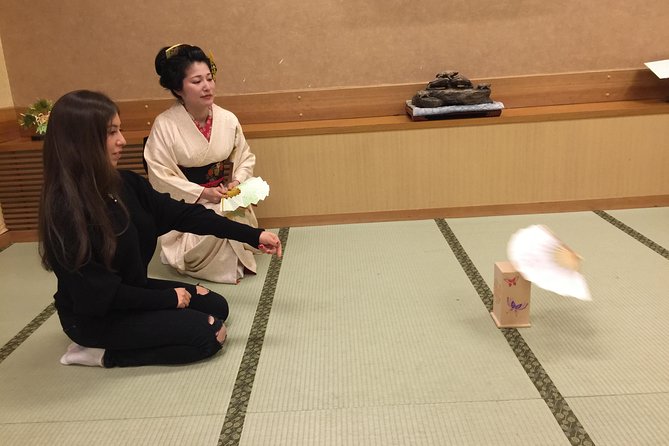
The evening program is unusually broad for a ski package. You may see a geisha performance, taiko drums, shamisen guitar, a lion dance, and a karate demonstration. These are not filler activities. They give you direct contact with Japanese performance traditions that can be difficult to arrange on your own in a rural ski town.
The mix also keeps the week from becoming repetitive. After several days of cold air and wet gloves, sitting down for a performance can feel just as welcome as another powder run. The cultural events are organized for you, so you do not have to research venues or worry about how to get home afterward.
Karaoke is included, and the second-night sushi train followed by karaoke is clearly intended as a social night. This may be a highlight if you enjoy joining a group quickly. If you are quiet, tired, or not a karaoke person, you can still treat it as an optional-feeling evening rather than the reason to book the tour.
The private format is worth noting. Only your group participates, which can make the cultural activities more relaxed than joining a large public bus tour. It also means your companions shape the atmosphere, so booking with friends or choosing a date that suits your style matters.
What the $2,862.09 price includes
At $2,862.09 per person, this is a major holiday purchase. The value is not in a cheap bed or a basic lift ticket. You are paying for about 10 days of planning, private transport, breakfast, lift passes, instruction, cultural performances, and the time of a guiding team.
That can be good value if you would otherwise pay separately for resort transfers, lift tickets, a ski instructor, sightseeing transport, and evening bookings. It is particularly useful for a solo skier who wants company and a plan, or for a mixed-ability group that does not want one person managing every detail.
The price looks less attractive if you already know Nagano well, have your own transport, prefer to ski alone, or plan to bring a group that can arrange private guiding at a lower combined rate. Equipment hire is extra, as are flights, insurance, lunch, dinner, and drinks. Those additions can make the final budget noticeably higher.
I would write out your likely total before booking. Add airfare, rental equipment, insurance, meals, drinks, and any personal spending. Then compare that figure with a self-planned stay. The tour’s value rests in convenience and local ski access, not in covering every expense.
Who will enjoy this most
I would choose this for an intermediate to expert skier who wants Japanese powder, daily guidance, and a social base. It also suits an older or solo skier who would rather join a well-organized group than spend the trip arranging transfers and restaurant plans alone.
Families can use it too. The program has worked for parents skiing with teenagers, and the cultural evenings give non-skiing interests more room. Still, children or adults who need a slow pace may find the fitness demands and full schedule too much.
Beginners should ask about the exact departure and group structure before booking. The wider operation has experience with new skiers, but this particular 10-day package emphasizes powder and slack-country skiing. A beginner-specific tour may be a better fit if you are starting from zero.
This is less suitable for someone seeking a luxury resort, a quiet wellness retreat, or a fully inclusive package. You will need to pay for several daily expenses and take part in an active program.
Booking details worth checking
Confirmation is provided at booking, and mobile tickets are available. Pickup is offered, but the stated meeting point is Yudanaka Station, Hirao, Yamanochi, in Nagano Prefecture. The activity ends back at that meeting point, so plan your arrival and departure around it.
Travel insurance is not included. It is especially important here because the activity is physically demanding and the booking cannot be refunded or amended after purchase. Read that condition carefully before committing.
Public transportation is near the meeting point, but the tour’s private vehicles handle the planned outings. Ask about luggage storage, equipment fitting, the current resort list, and how ability groups are arranged. Those questions will tell you if the package matches your ski level and travel style.
Should you book Nagano Ski Buffet?
Book it if you want your Nagano ski holiday to include far more than lifts and snow. The best reasons are the powder-focused guiding, the easy daily transport, the traditional Yudanaka base, and the unusual range of evening culture.
Think twice if you need a low-cost trip, dislike fixed plans, or want every meal and rental included. At 98 percent recommended and rated 4.9 from 47 ratings, the package has a strong record, but its success depends on accepting the active schedule, extra costs, and non-refundable terms.
For a fit skier who values local access and wants someone else to handle the complicated parts, this is a practical way to see Nagano on and off the mountain.
FAQ
Where does the tour begin?
The tour begins at Yudanaka Station in Hirao, Yamanochi, Nagano 381-0401, Japan.
Where does the tour end?
The activity ends back at the meeting point at Yudanaka Station.
How long does the tour last?
The trip lasts approximately 10 days.
How much does the tour cost?
The listed price is $2,862.09 per person.
Are lift passes included?
Yes. Lift passes are included in the tour price.
Is ski instruction included?
Yes. Guiding and instruction are included.
Is transportation included?
Yes. Private transportation is included, and pickup is offered.
Is equipment hire included?
No. Ski and snowboard equipment hire is not included.
Are meals included?
Breakfast is included. Lunches, dinners, and drinks are not included.
What cultural activities are included?
The program includes cultural performances, including geisha and taiko entertainment, plus karaoke night. It also includes visits or activities connected with snow monkeys, temples, castles, historic Shibu Town, local sake, and regional beer.
Is this a private tour?
Yes. Only your group participates in the private activity.
Can I cancel for a refund?
No. The experience is non-refundable and cannot be changed for any reason.
Just added around the world
- Zermatt: Private Ski Guide with Experienced Ski Instructor★ 5.0 · 2 reviews
- Zell am See Kaprun: Private Ski Guiding with Hajo★ 5.0 · 3 reviews
- Valle de Bravo: Ski★ 3.5 · 3 reviews
- WakeBoard : Ski on the Dubai Sea Water on Wakeboard★ 3.2 · 3 reviews
- Whistler Premium Snowboard Rental Package★ 5.0 · 3 reviews
- Private Snowboarding Lessons – 3 Hours Zermatt★ 5.0 · 9 reviews
- Matterhorn Private Skiing Day Zermatt★ 5.0 · 9 reviews
- Daily Kayseri Skiing tour from Cappadocia or Kayseri Hotels★ 5.0 · 7 reviews
Japan Ski Trips, compared.
Ski or Snowboard Lesson in Shiga Kogen (4Hours)
Read our review →
Full Day Private Skiing / Snowboarding Tour in Sapporo
Read our review →
Mt. Fuji Skiing Experience- YETI Ski Resort & Onsen Day Trip
Read our review →Browse the lists this tour appears in